

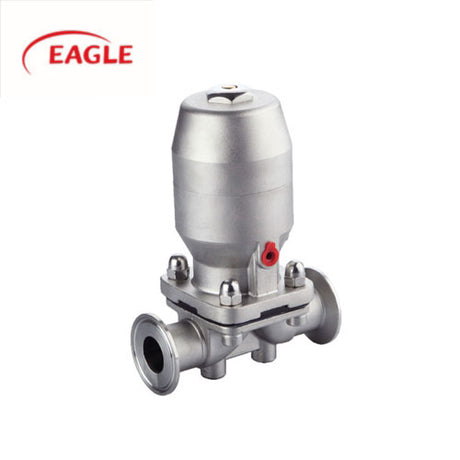
EAGLE™ 3A Pneumatic Diaphragm Valves Clamp/Weld
From $994.20Unit price /Unavailable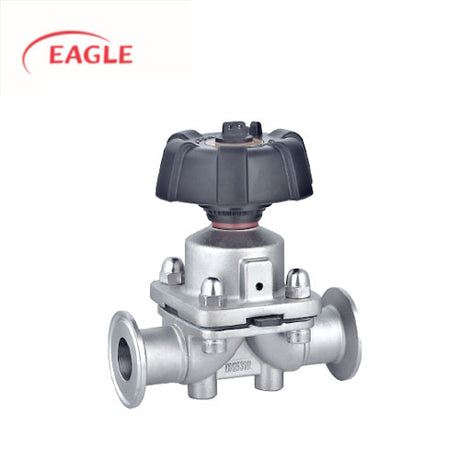
EAGLE™ 3A Manual Diaphragm Valves Clamp
From $769.70Unit price /Unavailable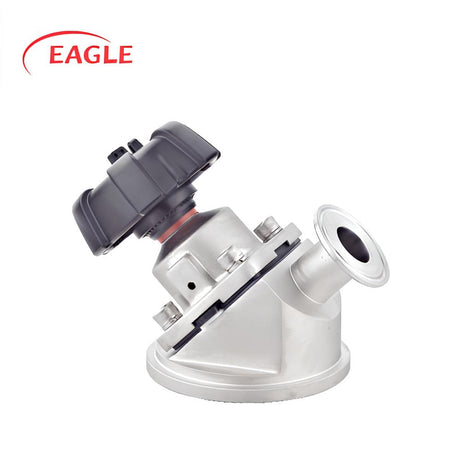
EAGLE™ 3A Aseptic Diaphragm Tank Bottom Valve Manual
From $434.80Unit price /Unavailable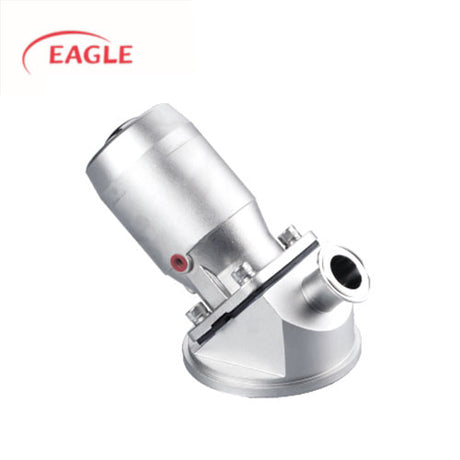
EAGLE™ 3A Aseptic Diaphragm Tank Bottom Valve Pneumatic
From $605.20Unit price /Unavailable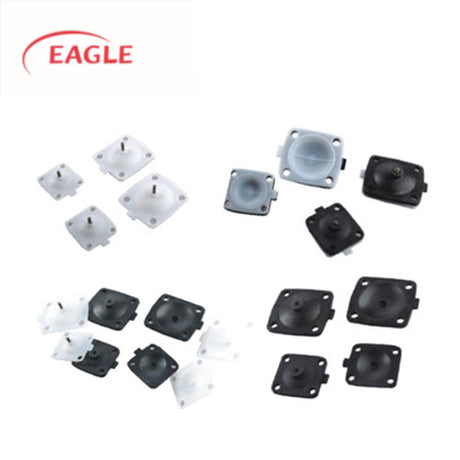
EAGLE™ 3A PTFE / EPDM Backed Replacement Diaphragm Valve Bayonet
From $25.30Unit price /Unavailable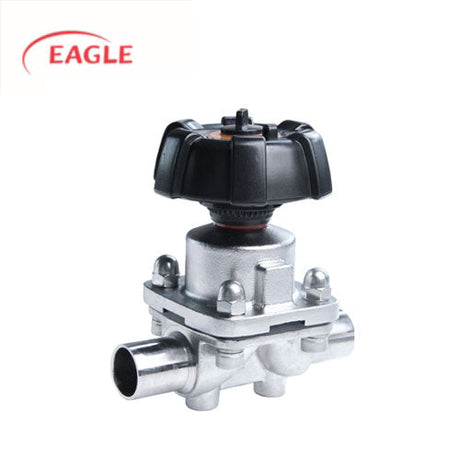
EAGLE™ 3A Manual Diaphragm Valves Weld
From $721.60Unit price /Unavailable-
1/2" Manual Diaphragm Valve - 316L Sanitary/Aseptic Stainless Steel
$721.60Unit price /Unavailable 
3/4" Sanitary Manual Diaphragm Valve - 316L Aseptic Stainless Steel
$843.80Unit price /Unavailable-
1" Sanitary Manual Diaphragm Valve - 316L ASME BPE Stainless Steel
$927.90Unit price /Unavailable -
1 1/2" Sanitary Zero Dead Leg Manual Diaphragm Valve
$1,346.50Unit price /Unavailable

Sanitary Stainless Steel Diaphragm Valves: Ultimate Sterile Process Isolation
In applications where absolute sterility and complete process isolation are non-negotiable, stainless steel diaphragm valves represent the gold standard for contamination prevention. Unlike conventional valve designs where process media contacts moving parts, sanitary diaphragm valves create a physical barrier between the fluid stream and valve mechanism—an essential feature for sterile processing in pharmaceuticals, biotechnology, and high-purity food applications.
Consider this critical scenario: In aseptic filling operations, any potential contamination point could compromise an entire batch of injectable pharmaceuticals. Traditional valves with stem seals and packing glands present contamination risks, while diaphragm valves eliminate these concerns through their unique isolation design. The flexible diaphragm acts as both a seal and a barrier, ensuring zero cross-contamination between the process fluid and valve internals.
Sterile Processing Revolution
The adoption of sanitary diaphragm valves in biopharmaceutical manufacturing has enabled significant advancements in sterile processing. Their ability to maintain sterility while providing reliable flow control supports modern single-use technologies, closed processing systems, and advanced aseptic techniques that define current Good Manufacturing Practices (cGMP) in regulated industries.
Isolation Technology: How Diaphragm Valves Prevent Contamination
Physical Barrier Design
The elastomeric or PTFE diaphragm completely separates the process fluid from the valve bonnet and actuator. This physical isolation prevents microbial ingress, eliminates stem seal leakage paths, and ensures that no valve internals contact the product stream—critical for maintaining sterility in aseptic processes.
Validation Advantage: The isolation design simplifies validation by eliminating concerns about stem seal integrity testing and potential product contact with lubricated components.
Zero Dead Leg Configuration
Weir-type diaphragm valves provide smooth, crevice-free flow paths when open, while straight-through designs offer complete drainage when closed. Both configurations minimize areas where product could accumulate or cleaning solutions might not reach, supporting effective CIP/SIP protocols and reducing bioburden risks.
Cleanability Data: Studies show properly designed diaphragm valves achieve 4-6 log reduction in microbial counts during standard CIP cycles, exceeding requirements for most sterile applications.
Material Compatibility Engineering
316L stainless steel bodies combined with appropriate diaphragm materials (EPDM, PTFE, Silicone, FKM) provide chemical compatibility across wide pH ranges and temperature extremes. The material selection process considers not just corrosion resistance but also extractables/leachables profiles for pharmaceutical applications.
Regulatory Compliance: FDA USP Class VI certified diaphragm materials available for applications requiring extensive biocompatibility testing and documentation.
Technical Specifications for Sterile Applications
| Design Parameter | Standard Specifications | Sterile Enhancement Features | Industry Benchmark |
|---|---|---|---|
| Diaphragm Materials | EPDM, PTFE, Silicone, FKM | FDA USP Class VI, 3-A approved, extractables tested | Standard food-grade materials |
| Body Construction | 316L Stainless Steel | Electropolished Ra ≤ 0.5μm, orbital welded | Mechanically polished Ra ≤ 0.8μm |
| Pressure Rating | 100 psi (7 bar) standard | Full vacuum to 150 psi, bubble-tight shutoff | 80-100 psi typical |
| Temperature Range | -20°C to 150°C | Sterilizable at 121°C for 60 minutes | Up to 135°C |
| Surface Finish | Ra ≤ 0.8μm | Ra ≤ 0.5μm electropolished, 100% inspected | Ra ≤ 0.8μm typical |
| Connection Types | Tri-clamp, ISO, SMS | ASME BPE, bevel seat, zero dead-leg designs | Standard sanitary fittings |
| Actuation Options | Manual, Pneumatic | Cleanroom compatible, position feedback, aseptic design | Standard industrial actuators |
Diaphragm Selection Matrix
Choosing the correct diaphragm material requires balancing chemical compatibility, temperature resistance, and regulatory requirements:
- EPDM: General purpose, steam sterilizable, excellent for water and mild chemicals
- PTFE: Chemically inert, high temperature, low extractables for pharmaceutical applications
- Silicone: Wide temperature range, excellent flexibility, biocompatible
- FKM (Viton): Superior chemical resistance, high temperature capability
Validation Support Documentation
For regulated industries, comprehensive documentation supports validation efforts:
- Material Certificates 3.1 with full traceability
- Extractables & Leachables testing reports
- Surface roughness certification with mapping
- Cleanability validation protocols and data
- Sterilization cycle compatibility documentation
Critical Applications in Sterile Processing
Aseptic Filling Lines
In vial, syringe, and cartridge filling operations, sanitary diaphragm valves provide sterile isolation for media transfer, buffer preparation, and product filling. Their zero-dead-leg design prevents product hold-up, while the isolation design eliminates contamination risks from actuator components.
"Our aseptic filling line validation consistently passes media fills with diaphragm valves. The isolation design eliminates concerns about stem seal integrity that we experienced with traditional sanitary valves."
— Validation Manager, Injectable Pharmaceutical Manufacturer
Bioreactor Harvest & Transfer
For monoclonal antibody production and cell culture processes, stainless steel diaphragm valves maintain sterility during harvest operations. The smooth flow path minimizes shear stress on sensitive cells, while the sanitary design supports validated cleaning between campaigns.
"During our recent FDA inspection, the inspector specifically commended our use of diaphragm valves for critical harvest operations, noting the inherent sterility assurance of the isolation design."
— Quality Director, Biologics Manufacturing Facility
WFI & Pure Steam Distribution
In Water-for-Injection and pure steam systems, diaphragm valves prevent contamination while withstanding thermal cycling. The 316L stainless steel construction resists corrosion from high-purity water, while PTFE diaphragms provide reliable sealing without introducing extractables.
"Our WFI system endotoxin levels decreased significantly after switching to diaphragm valves. The elimination of stem seals removed a potential contamination source that was difficult to control."
— Facility Engineer, Pharmaceutical Plant
Engineering Advantages Over Conventional Valve Designs
Maintenance & Service Advantages
Diaphragm replacement can be performed without removing the valve from the pipeline, significantly reducing downtime. The bonnet assembly is typically accessible through a few bolts, with no special tools required. This contrasts with traditional valves where stem seal replacement often requires complete valve disassembly and realignment.
Cleanability & Sterilization
The smooth, uninterrupted flow path and absence of internal crevices make diaphragm valves exceptionally cleanable. Steam can penetrate all areas during SIP cycles, and cleaning solutions flow unimpeded during CIP. Validation studies consistently show superior cleanability compared to ball or butterfly valves in sanitary applications.
Process Isolation Security
The physical barrier provided by the diaphragm eliminates potential leak paths that exist in traditional packed stem designs. This is particularly critical in applications involving hazardous, toxic, or extremely valuable fluids where any leakage represents significant safety or economic risk.
Expert Technical Consultation: Diaphragm Valve Applications
When should diaphragm valves be specified over other sanitary valve types?
Diaphragm valves should be specified when: 1) Sterility is critical - applications requiring aseptic processing or clean-in-place/steam-in-place validation; 2) Dead-legs must be eliminated - processes where product recovery or complete drainage is essential; 3) Maintenance accessibility is limited - systems where downtime must be minimized; 4) Hazardous or expensive media is being handled - where leakage cannot be tolerated. In pharmaceutical water systems, bioreactor harvest lines, and aseptic filling applications, diaphragm valves typically provide superior performance and reliability compared to ball or butterfly valves due to their isolation design and cleanability.
What are the limitations of diaphragm valves in sanitary applications?
While excellent for many applications, diaphragm valves have specific limitations: 1) Pressure limitations - typically limited to 150 psi maximum due to diaphragm material constraints; 2) Temperature restrictions - standard EPDM diaphragms are limited to 135°C continuous service, though PTFE can handle higher temperatures; 3) Size constraints - generally available up to 6" in sanitary designs, with larger sizes having reduced availability; 4) Diaphragm life - diaphragmas require periodic replacement (typically 1-3 years depending on cycle frequency and media); 5) Flow characteristics - weir-type designs have higher pressure drops than full-port ball valves. These limitations must be weighed against the sterility and maintenance advantages for each specific application.
How do you validate diaphragm integrity in critical pharmaceutical applications?
Diaphragm integrity validation involves multiple approaches: 1) Visual inspection during preventive maintenance for signs of wear, cracking, or permanent deformation; 2) Pressure decay testing of isolated valve sections to detect microscopic leaks; 3) Process monitoring for changes in operating parameters that might indicate diaphragm issues; 4) Preventive replacement schedules based on cycle counts or time in service; 5) Material testing of aged diaphragms to establish service life expectations. For aseptic applications, we recommend redundant sealing arrangements or double diaphragm designs where failure would have catastrophic consequences. Regular integrity testing should be part of the quality system, with documentation maintained for regulatory inspections.
What advancements in diaphragm valve technology have emerged recently?
Recent advancements include: 1) Improved diaphragm materials with enhanced chemical resistance and longer service life, including reinforced PTFE and specialty elastomers; 2) Double diaphragm designs with leak detection between diaphragms for critical applications; 3) Advanced surface finishes including nano-coatings that reduce bacterial adhesion; 4) Smart valve technology with embedded sensors for diaphragm condition monitoring and predictive maintenance; 5) Hygienic actuator designs with cleanroom-compatible finishes and reduced particulate generation; 6) Modular designs allowing easier integration with single-use systems. These advancements extend the applicability of diaphragm valves to more demanding processes while improving reliability and reducing total cost of ownership.
Regulatory Compliance & Industry Standards
Pharmaceutical Compliance
- FDA 21 CFR Part 211 cGMP compliance
- ASME BPE-2019 bioprocessing equipment standards
- USP <661> & <381> material compliance
- ISO 13485 medical devices quality management
- EMA Annex 1 compliance for sterile medicinal products
Food & Beverage Standards
- 3-A Sanitary Standard 74-03 for diaphragm valves
- EHEDG Type EL Class I certification
- FDA Food Contact Notification (FCN) compliance
- NSF/ANSI 61 drinking water system components
- BRC Global Food Safety Standard Issue 8
Testing & Validation
- Extractables & Leachables testing per USP <665>
- Bacterial ingress testing per ASTM F838
- Cleanability validation per EHEDG test methods
- Material biocompatibility testing (ISO 10993)
- Pressure cycling and endurance testing
Engineering Sterile Process Solutions with Diaphragm Valve Technology
From material selection and validation support to installation and maintenance planning, our engineering team provides comprehensive diaphragm valve solutions for critical sterile processes across pharmaceutical, biotech, and high-purity food applications.
Process Application Review
Technical assessment of your specific sterile process requirements and valve selection recommendations
Validation Support Package
Complete documentation packages including material certifications, test reports, and validation protocols
Technical Training Programs
Comprehensive training for maintenance teams on diaphragm valve installation, maintenance, and troubleshooting
25+ Years Experience
Sterile process valve specialization
Global Validation Support
FDA, EMA, PMDA compliance expertise
Technical Resource Center
Comprehensive application engineering library
Top picks for you
View all-


EAGLE™ 3A Sanitary Plug Type Sampling Valve
In stock (40 units)From $320.86Unit price /Unavailable -

2-Inch X 1-Inch Stainless Concentric Reducer
From $43.30Unit price /Unavailable -
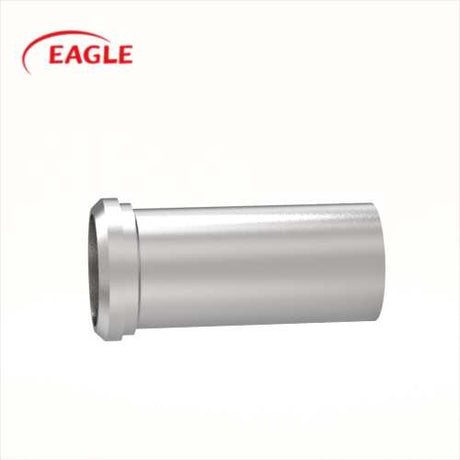
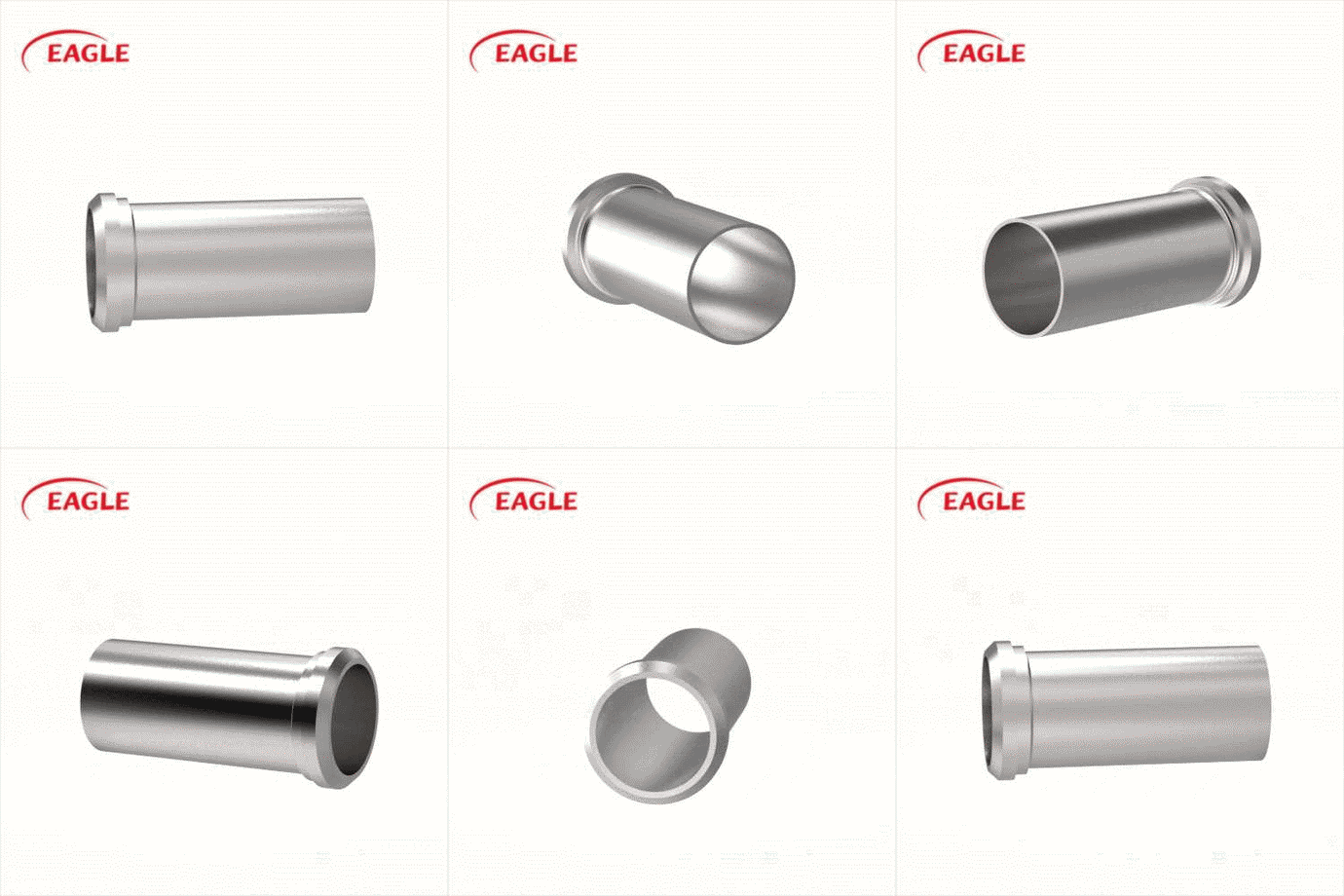
1-1/2" Sanitary Plain Bevel Seat Tygon Hose Adapter
Very low stock (2 units)From $31.10Unit price /Unavailable -
2" Sanitary Plain Bevel Seat Tygon Hose Adapter
Very low stock (2 units)From $40.70Unit price /Unavailable -
1" Sanitary Plain Bevel Seat Tygon Hose Adapter
Very low stock (2 units)From $31.10Unit price /Unavailable -
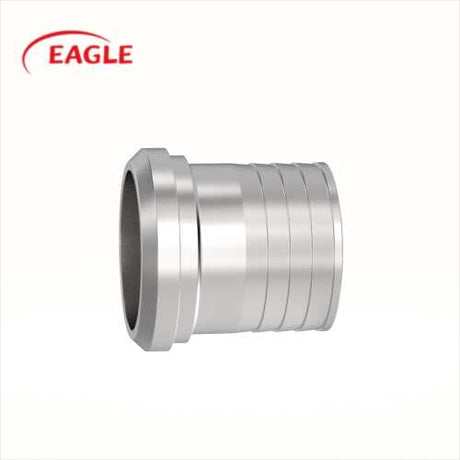
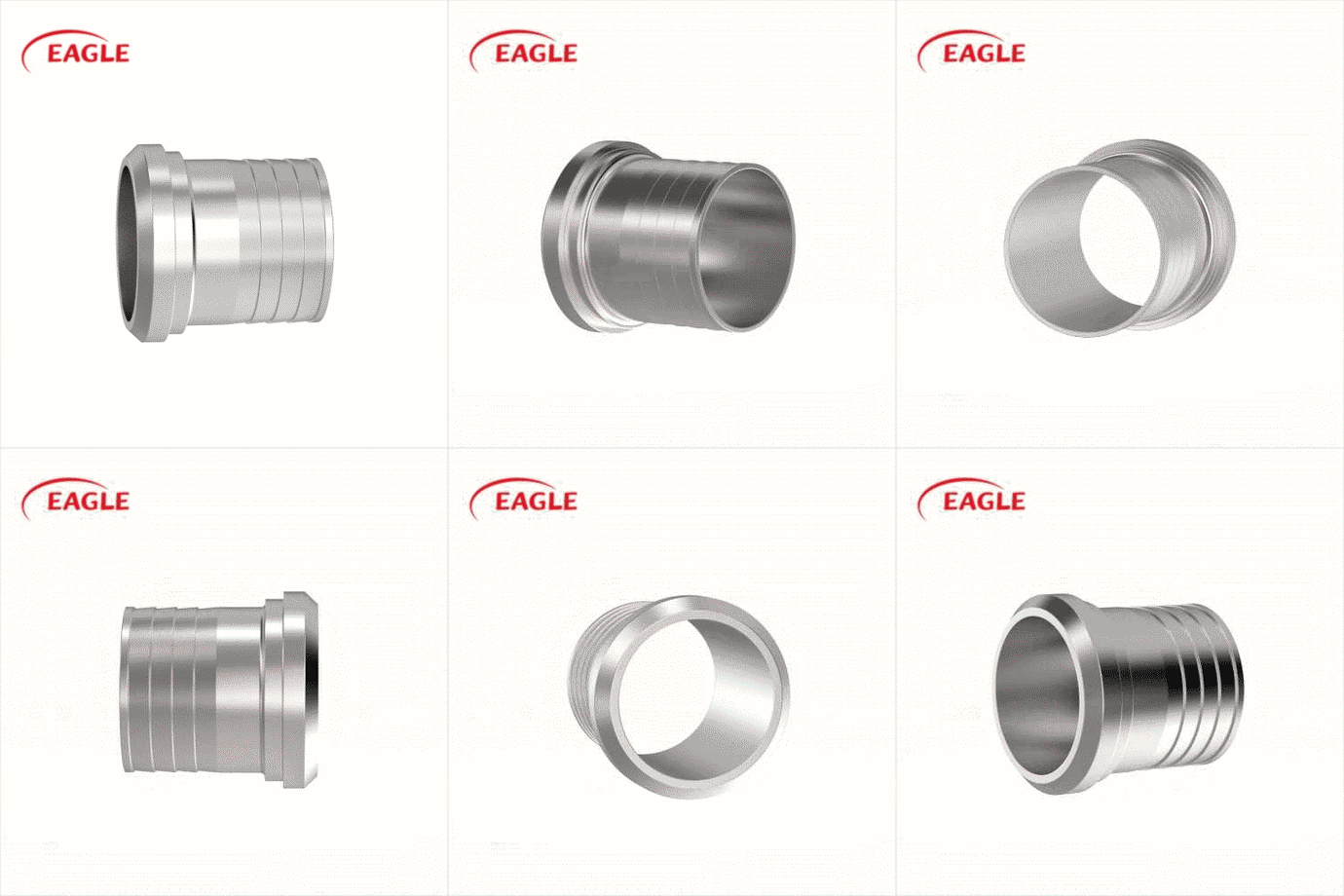
4" Plain Bevel Seat Rubber Hose Adapter
Very low stock (2 units)From $167.00Unit price /Unavailable -
2-1/2" Plain Bevel Seat Rubber Hose Adapter
Very low stock (2 units)From $128.00Unit price /Unavailable -
2" Plain Bevel Seat Rubber Hose Adapter
Very low stock (2 units)From $80.00Unit price /Unavailable -
1-1/2" Plain Bevel Seat Rubber Hose Adapter
Very low stock (2 units)From $55.30Unit price /Unavailable -
1" Plain Bevel Seat Rubber Hose Adapter
Very low stock (2 units)From $55.00Unit price /Unavailable -
3" Plain Bevel Seat Rubber Hose Adapter
Very low stock (2 units)From $147.00Unit price /Unavailable -
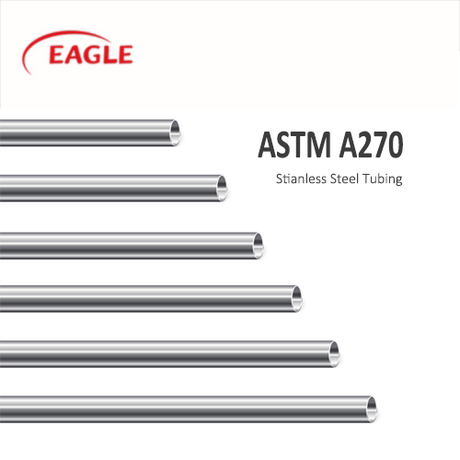
2-1/2" OD 304/316L Sanitary Stainless Steel Tubing
From $131.20Unit price /Unavailable


