
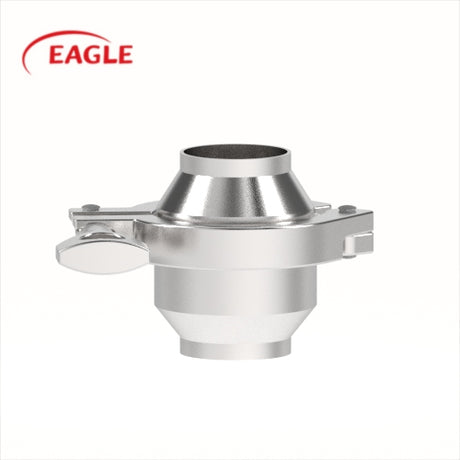
 From $211.50Unit price /Unavailable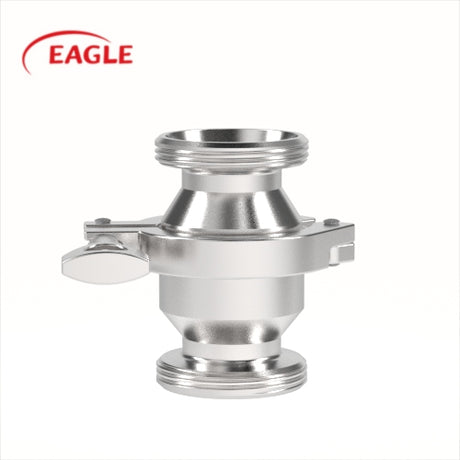
EAGLE™ 3A Threaded Check Valve
From $324.40Unit price /Unavailable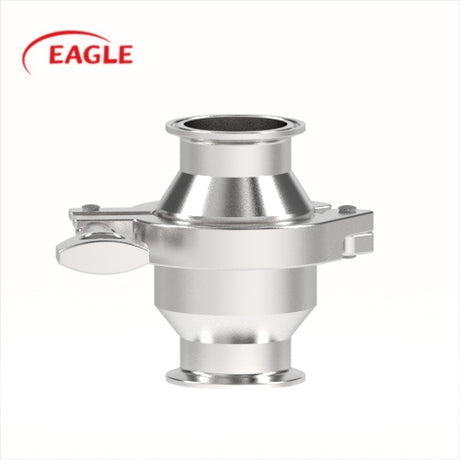 From $234.50Unit price /Unavailable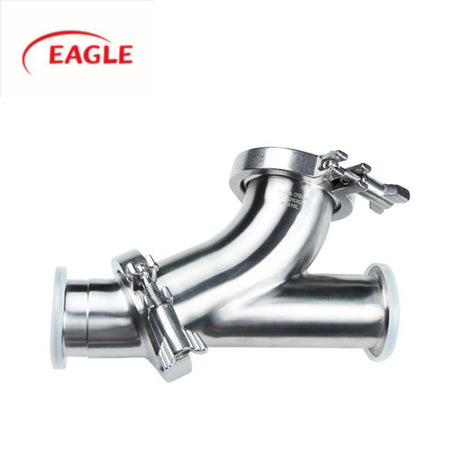
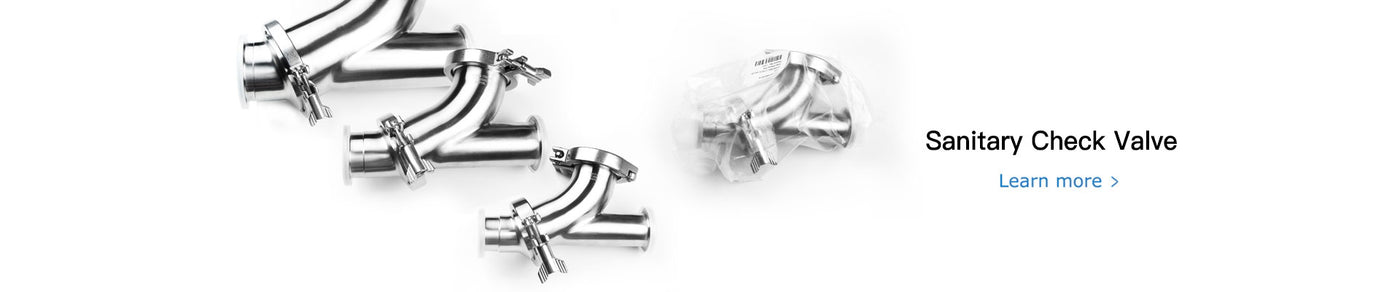
EAGLE ™ Sanitary Y-Ball Check Valve
From $402.90Unit price /Unavailable
Sanitary Check Valves: Essential Protection for Your Process Lines
When product integrity and equipment protection are priorities, sanitary check valves serve as your first line of defense against backflow contamination. These unsung heroes of processing systems prevent reverse flow that could compromise product quality, damage sensitive equipment, or create safety hazards.
Imagine this scenario: You're running multiple product lines through shared equipment. Without proper check valves, a pressure drop in one line could cause product from another line to backflow, resulting in costly cross-contamination. Our stainless steel check valves are engineered to prevent exactly these types of incidents.
How Check Valves Protect Your Process
Normal Flow Conditions
Forward pressure opens the valve, allowing product to flow freely with minimal pressure drop.
Pressure Equalization
As forward pressure decreases, the valve begins to close, preventing slow backflow.
Reverse Flow Prevention
Back pressure causes immediate closure, creating a positive seal against reverse flow.
Engineered for Reliable Backflow Prevention
Our sanitary check valves are designed with features that matter in real-world processing environments:
Spring-Assisted Closure
Unlike gravity-dependent designs, our spring-assisted closure ensures immediate shut-off regardless of orientation or flow direction. This is critical in vertical piping or low-flow conditions.
Zero Dead Leg Design
Full-bore construction eliminates stagnant areas where bacteria could grow. When closed, the disc sits flush with the valve body, preventing product entrapment.
Quick Response Time
With response times under 0.1 seconds, our check valves react faster than pressure fluctuations can cause backflow. This rapid response protects pumps and prevents product mixing.
Easy Maintenance Access
The spring and disc assembly can be removed without disconnecting the valve from the pipeline. This reduces maintenance downtime from hours to minutes.
Material Compatibility
316L stainless steel bodies with EPDM, PTFE, or FKM seals provide compatibility with a wide range of process media, from acidic cleaners to high-temperature sterilization cycles.
CIP/SIP Ready
Designed for in-place cleaning and sterilization. The smooth internal surfaces and compatible materials withstand repeated cleaning cycles without degradation.
Technical Specifications for Different Applications
| Specification | Standard Range | Performance Notes |
|---|---|---|
| Size Range | 1/2" to 4" (DN15 to DN100) | Ideal for most process and utility lines. Larger sizes available upon request. |
| Pressure Rating | 150 PSI (10 bar) | Suitable for majority of sanitary pumping systems with safety margin. |
| Cracking Pressure | 1-5 PSI (adjustable) | Customizable spring tension for specific process requirements. |
| Temperature Range | -20°C to 120°C | Standard EPDM seals. Higher temperatures available with FKM or PTFE. |
| Body Material | 316L Stainless Steel | Electropolished to Ra ≤ 0.8 μm for optimal cleanability. |
| Seal Options | EPDM, FKM, PTFE | Select based on chemical compatibility and temperature requirements. |
| Connection Types | Tri-clamp, ISO, SMS | Quick-connect designs for easy installation and maintenance. |
| Flow Direction | Horizontal or Vertical | Spring-assisted design works in any orientation without performance loss. |
Understanding Cracking Pressure
Cracking pressure is the minimum upstream pressure required to open the check valve. We offer adjustable springs (1-5 PSI range) to match your specific process requirements. Lower cracking pressures (1-2 PSI) are ideal for gravity-fed systems, while higher settings (3-5 PSI) work better in pumped systems where pressure fluctuations are common.
Where Sanitary Check Valves Make a Critical Difference
Based on hundreds of installations, here are the most common applications where check valves provide essential protection:
Pump Protection
Installed on pump discharge lines to prevent backflow when pumps stop, protecting against water hammer and reverse rotation.
Multi-Product Lines
Prevents cross-contamination when multiple products share common headers or when switching between different batches.
CIP Return Lines
Ensures cleaning solutions flow in one direction only, preventing contamination of clean systems with used cleaning fluids.
Tank Fill Lines
Prevents backflow from tanks during filling operations, especially when multiple tanks share common supply lines.
Instrumentation Protection
Protects sensitive instruments (flow meters, pressure sensors) from reverse flow that could damage or contaminate them.
Heat Exchanger Systems
Prevents reverse flow in heat exchanger circuits that could cause thermal shock or inefficient heat transfer.
Common Questions About Sanitary Check Valves
What's the difference between swing check and spring check valves?
Swing check valves use a hinged disc that swings open with flow and closes by gravity. They're suitable for horizontal installation with consistent flow. Spring check valves (like ours) use a spring to assist closure, working in any orientation and responding faster to flow changes. For sanitary applications where cleanability and reliability are critical, spring check valves are generally preferred.
How do I select the right cracking pressure for my application?
Consider your system's normal operating pressure and potential pressure fluctuations. For gravity-fed systems, use 1-2 PSI. For pumped systems, select 2-3 PSI above the minimum expected pressure to prevent "chatter" (rapid opening/closing). For systems with significant pressure variations, 3-5 PSI provides stable operation. Our technical team can help you select the optimal setting based on your specific system parameters.
Can check valves be installed vertically?
Yes, our spring-assisted check valves work reliably in vertical installations. The spring provides consistent closure force regardless of orientation. In vertical flow-up applications, we recommend slightly higher cracking pressure (3-5 PSI) to ensure proper sealing against back pressure.
How often should check valves be inspected or maintained?
We recommend visual inspection every 6 months and functional testing annually. Signs that maintenance may be needed include: increased pressure drop, flow restriction, or audible chatter. With normal use, springs typically last 3-5 years before replacement. Our valves are designed for easy maintenance without pipeline disconnection.
Are your check valves suitable for CIP and SIP applications?
Absolutely. All our sanitary check valves are designed for Clean-in-Place and Sterilize-in-Place operations. They feature smooth, crevice-free surfaces, compatible seal materials, and designs that allow cleaning solutions to flow through effectively. We provide validation support documentation for pharmaceutical and food processing applications.
What's your lead time for custom configurations?
Standard sizes (1/2", 1", 2", 3") typically ship within 5-7 business days. Custom configurations (special materials, connections, or cracking pressures) generally require 2-3 weeks. For urgent requirements, contact us directly—we maintain expedited production capacity for critical applications.
Quality Assurance & Industry Compliance
Certifications & Standards
- 3-A Sanitary Standard 28-07
- EHEDG Compliant Design
- FDA 21 CFR 177 Compliance
- ASME BPE-2019 Standards
- ISO 9001:2015 Quality System
- Material Certificates 3.1
Testing & Validation
- 100% Pressure Testing
- Cracking Pressure Verification
- Bubble-Tight Seal Testing
- Material Composition Analysis
- Surface Finish Measurement
- Functional Cycle Testing
Technical Support
- Application Engineering
- Installation Guidance
- Maintenance Training
- Troubleshooting Support
- Spare Parts Availability
- Validation Documentation
Protect Your Process with Reliable Backflow Prevention
Don't wait for a contamination incident to realize the importance of proper check valves. Our engineering team can help you select and position check valves to maximize protection and minimize risk.
Free System Review
Send us your P&ID for expert valve placement recommendations.
Sample Testing
Request a sample valve for evaluation in your specific application.
Technical Consultation
Schedule a call with our application engineers.
Top picks for you
View all-


EAGLE™ 3A Sanitary Plug Type Sampling Valve
In stock (40 units)From $320.86Unit price /Unavailable -

2-Inch X 1-Inch Stainless Concentric Reducer
From $43.30Unit price /Unavailable -
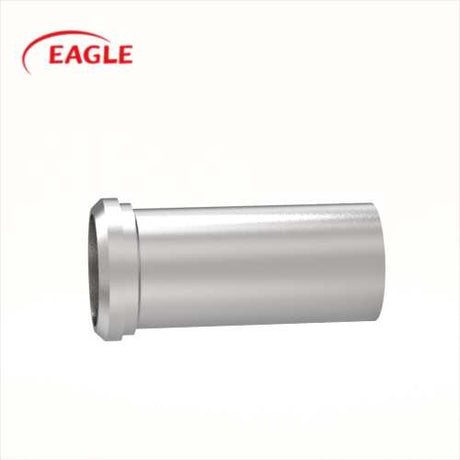
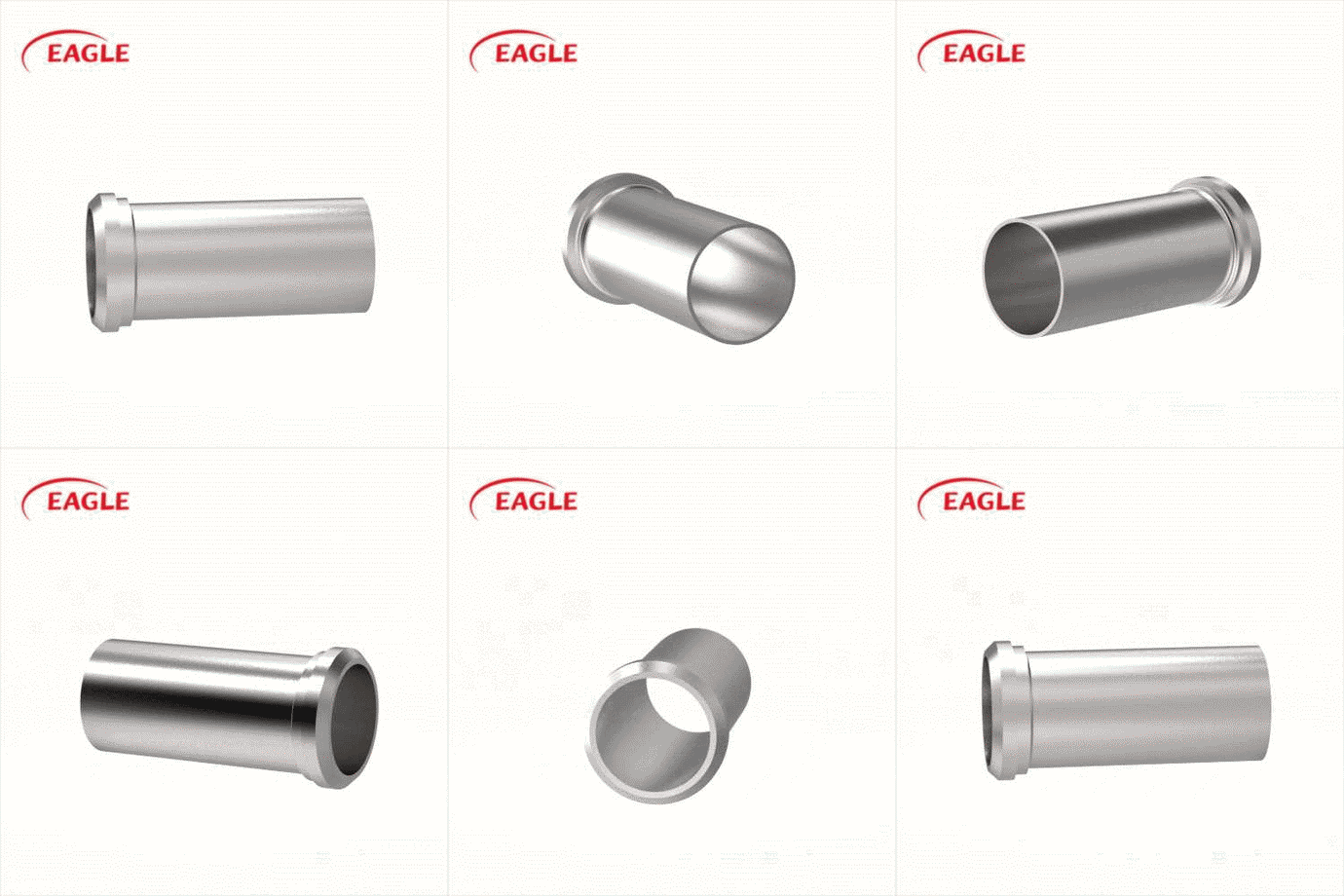
1-1/2" Sanitary Plain Bevel Seat Tygon Hose Adapter
Very low stock (2 units)From $31.10Unit price /Unavailable -
2" Sanitary Plain Bevel Seat Tygon Hose Adapter
Very low stock (2 units)From $40.70Unit price /Unavailable -
1" Sanitary Plain Bevel Seat Tygon Hose Adapter
Very low stock (2 units)From $31.10Unit price /Unavailable -
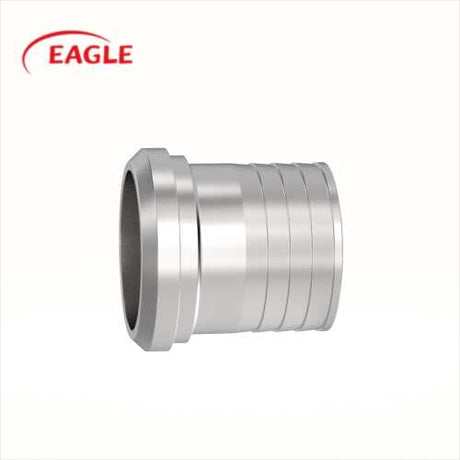
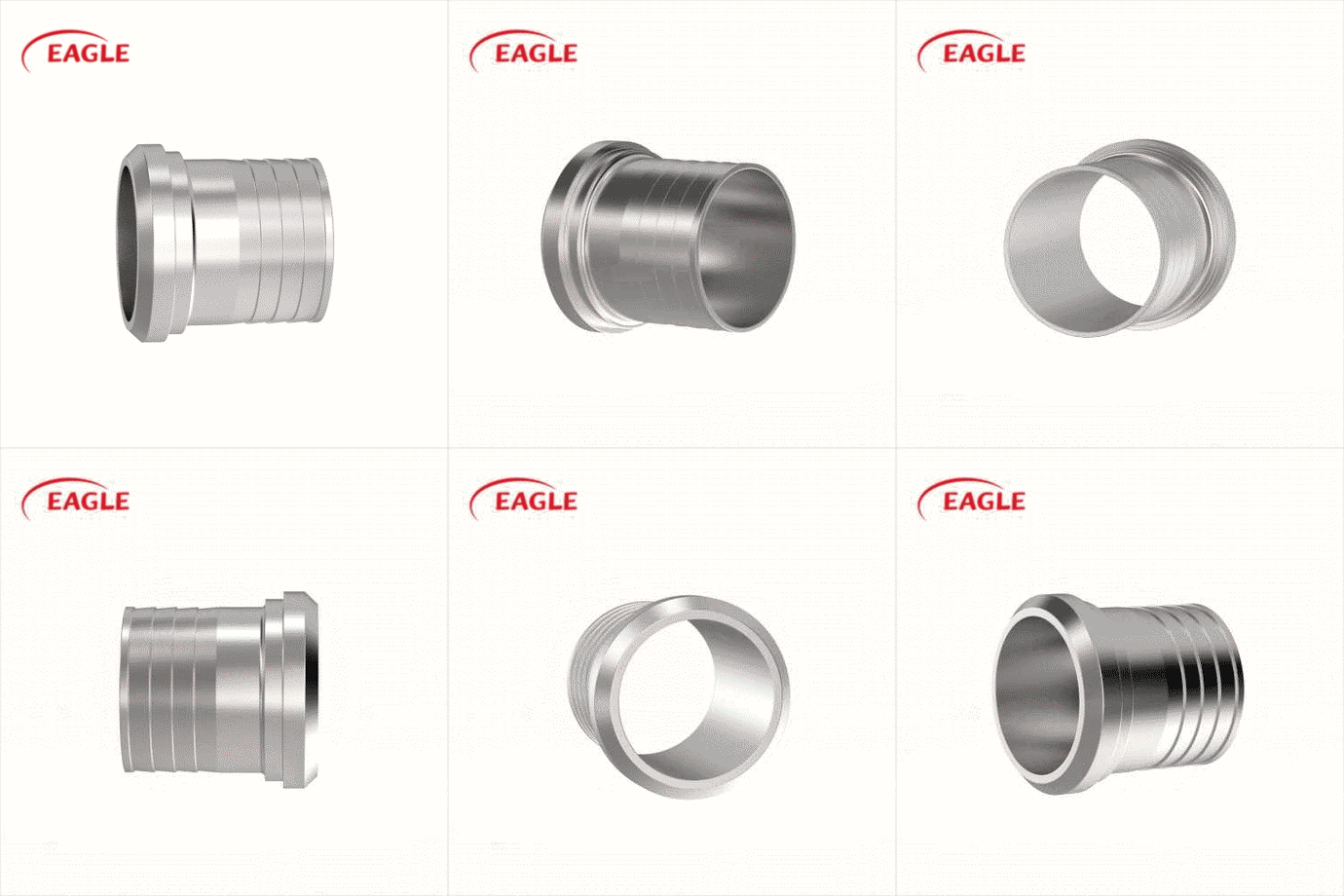
4" Plain Bevel Seat Rubber Hose Adapter
Very low stock (2 units)From $167.00Unit price /Unavailable -
2-1/2" Plain Bevel Seat Rubber Hose Adapter
Very low stock (2 units)From $128.00Unit price /Unavailable -
2" Plain Bevel Seat Rubber Hose Adapter
Very low stock (2 units)From $80.00Unit price /Unavailable -
1-1/2" Plain Bevel Seat Rubber Hose Adapter
Very low stock (2 units)From $55.30Unit price /Unavailable -
1" Plain Bevel Seat Rubber Hose Adapter
Very low stock (2 units)From $55.00Unit price /Unavailable -
3" Plain Bevel Seat Rubber Hose Adapter
Very low stock (2 units)From $147.00Unit price /Unavailable -
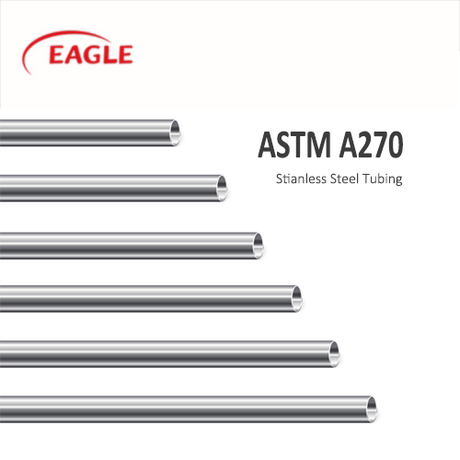
2-1/2" OD 304/316L Sanitary Stainless Steel Tubing
From $131.20Unit price /Unavailable


