
Pneumatically Actuated Ball Valves: Types, Working Principle, Applications
A pneumatically actuated ball valve is a ball valve fitted with a pneumatic actuator — an air-driven device that rotates the valve's ball 90° to open or close it, powered...

A pneumatically actuated ball valve is a ball valve fitted with a pneumatic actuator — an air-driven device that rotates the valve's ball 90° to open or close it, powered...
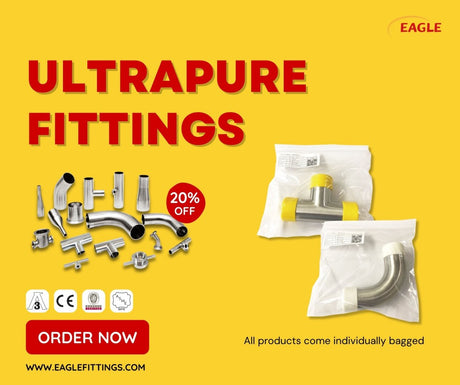
SS pipe connectors are the backbone of stainless steel piping systems, and choosing the right type ensures safety, efficiency, and longevity.
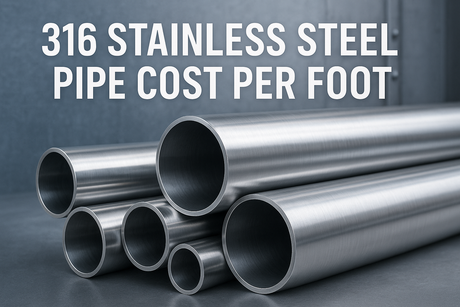
316 stainless steel pipe costs $8 to $30+ per foot, with prices driven by size, wall thickness, and finish.
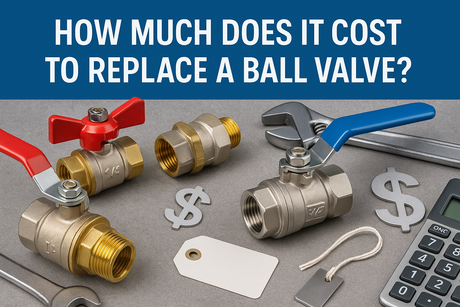
Replacing a ball valve costs $50 to $500+, depending on size, material, and installation. Small residential valves are affordable (even DIY), while industrial or sanitary ball valves (critical for food/brewing)...

Ball valves are the workhorses of plumbing and industrial systems, controlling flow with a simple quarter-turn handle.

Stainless steel fittings are not just safe for drinking water—they’re the safest, most durable choice for any system where water purity matters.

Stainless steel fittings and brass fittings both have their uses, but in food, brewing, and cosmetics, the gap is clear.
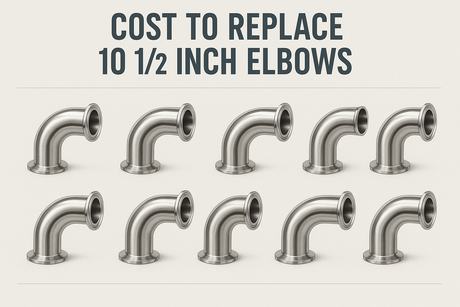
If you’re tasked with replacing 10 1/2 inch elbows in a pipeline—whether in a food processing plant, chemical facility
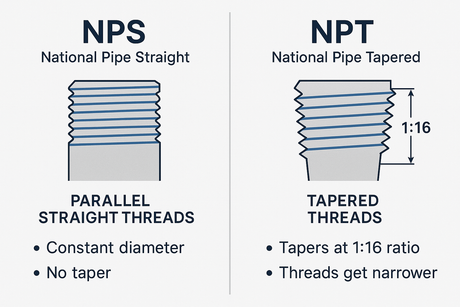
If you’ve ever shopped for pipe fittings, you’ve likely stumbled upon the terms “NPS” and “NPT” and wondered: What’s the difference?
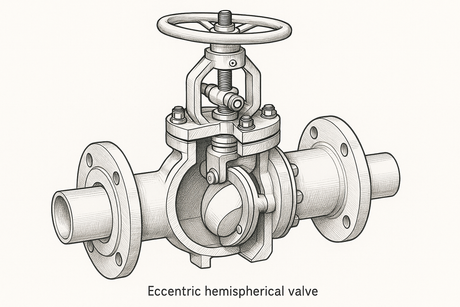
The eccentric hemispherical valve is more than just a valve—it’s a solution for the toughest industrial flow control challenges.
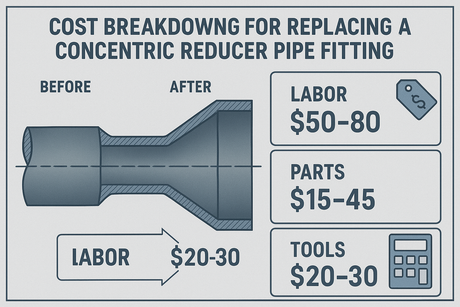
Replacing a concentric reducer doesn’t have to drain your budget. While premium brands charge a premium for name recognition, Eagle delivers stainless steel, 3A-certified options like the 31TT Threaded Ends...
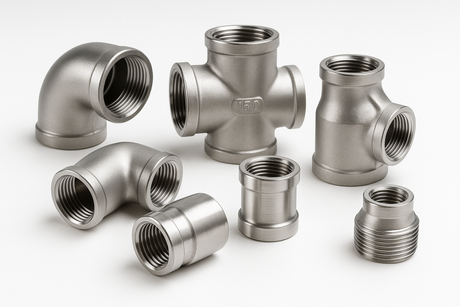
In the world of fluid systems—whether industrial pipelines, residential plumbing, or oil & gas operations—NPT pipe (National Pipe Tapered) is the unsung hero of leak-free connections. Its tapered threads and...
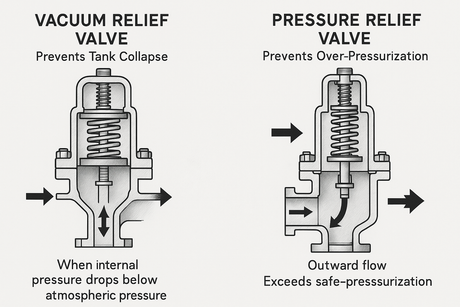
Vacuum and pressure relief valves are the silent guardians of closed systems. Remember: vacuum valves let air IN to stop collapse

Flow control valves are the “traffic controllers” of fluid systems, ensuring processes run efficiently, safely, and precisely.
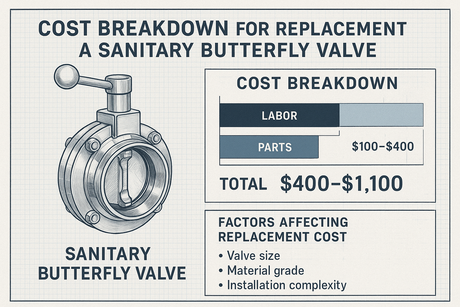
Replacing a sanitary butterfly valve doesn’t require overspending. While mainstream brands charge premium prices, Eagle’s factory-direct model offers 316L stainless steel, certified valves starting at $130

Replacing a stainless steel valve doesn’t have to drain your budget. While mainstream brands charge for name recognition, Eagle’s factory-direct model offers 316L sanitary-grade and industrial valves starting at $71