
Pneumatically Actuated Ball Valves: Types, Working Principle, Applications
A pneumatically actuated ball valve is a ball valve fitted with a pneumatic actuator — an air-driven device that rotates the valve's ball 90° to open or close it, powered...

A pneumatically actuated ball valve is a ball valve fitted with a pneumatic actuator — an air-driven device that rotates the valve's ball 90° to open or close it, powered...
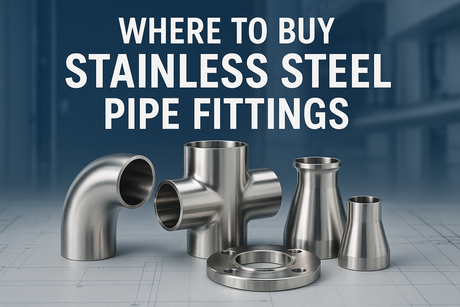
When it comes to buying stainless steel pipe fittings, convenience matters—but not at the cost of quality. Online marketplaces and local distributors work for quick fixes, but for sanitary industries
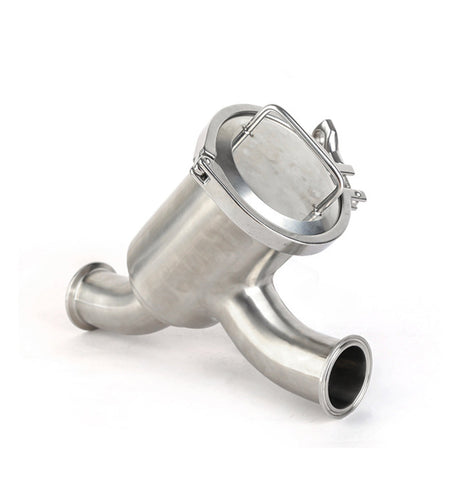
A Y strainer stainless steel might seem like a small part of your pipeline, but it’s one of the most critical.
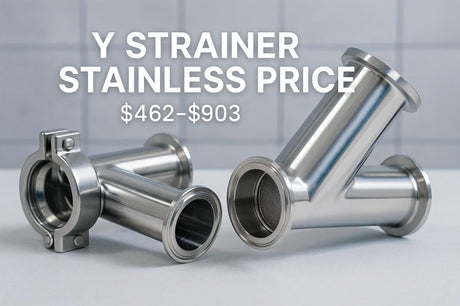
If you’re in the market for a y strainer stainless, you’ve probably noticed the price tag can vary wildly—from budget-friendly options under $100 to premium models topping $1,500.
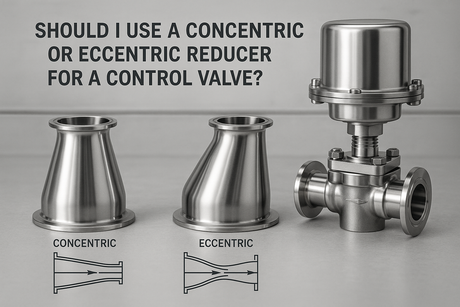
After all, in food, pharma, or brewing, the right fitting isn’t just a part of the pipeline—it’s a promise that what flows through it stays safe, pure, and ready for...

Eagle fills that gap, offering stainless steel non return valves that prioritize cleanliness, compliance, and affordability—plus a full range of pipes and fittings to boot.
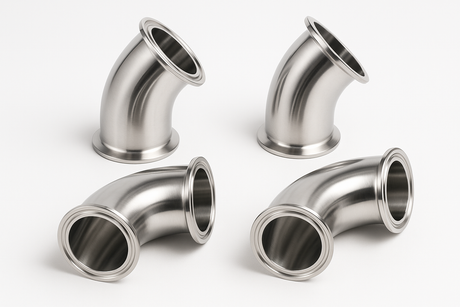
Whether you’re building a craft brewery or upgrading a pharmaceutical line, the right 45-degree elbow isn’t just a fitting—it’s a promise that your product stays pure, your process stays smooth,...
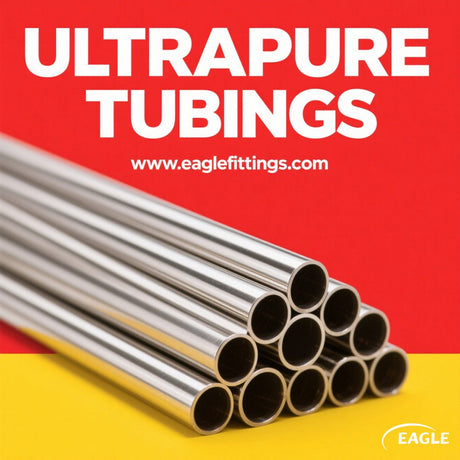
So, can you heat and bend stainless steel tubing? Absolutely. It takes practice, but by heating evenly, using the right tools, and prioritizing safety
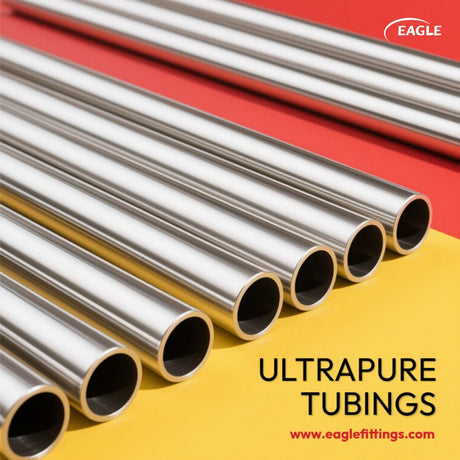
So, how thick is a 1 inch stainless steel pipe? It depends on the schedule: ~0.065 inches (SCH 10/Eagle), ~0.133 inches (SCH 40), or ~0.180 inches (SCH 80).
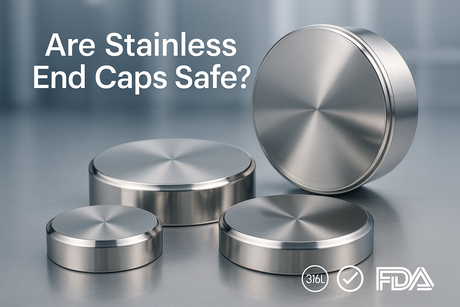
Whether you’re a DIY homeowner fixing a leaky pipe or a facility manager outfitting a food processing plant, stainless steel end caps offer peace of mind that cheaper materials simply...
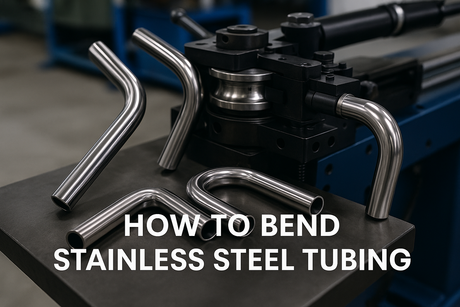
Bending stainless steel tubing doesn’t have to be frustrating. Whether you’re using a manual bender for a ½-inch furniture rail, sand-filling a 1-inch exhaust pipe
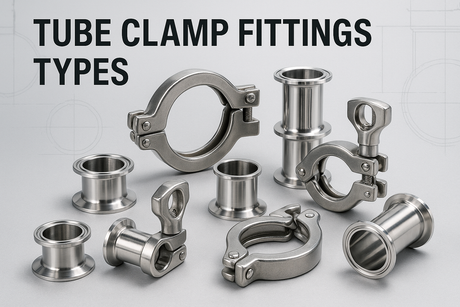
If you’ve ever walked through a brewery, dairy plant, or pharmaceutical facility, you’ve seen tube clamp fittings hard at work.
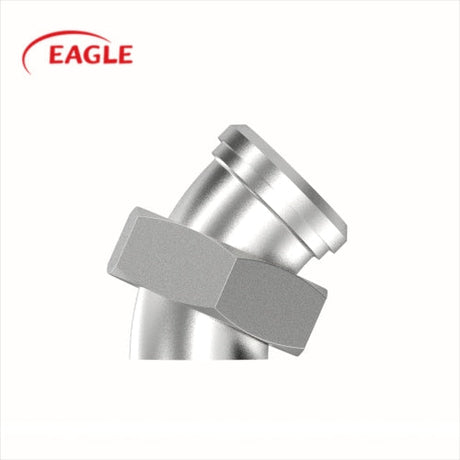
Bevel seat fittings are the unsung heroes of leak-free, hygienic, and durable piping systems.
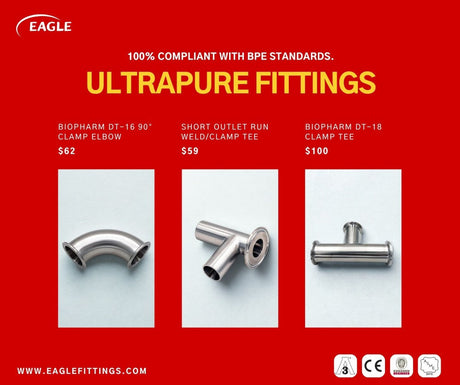
Stainless weld fittings are the backbone of leak-free, durable systems in critical industries. Whether you need socket weld pipe fittings for a chemical line or brewery tri clamp fittings for...
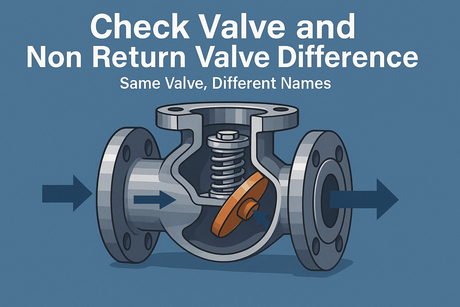
The “check valve vs. non return valve” debate is mostly a matter of terminology, not function.

A check non return valve might not grab headlines, but it’s the backbone of safe, efficient fluid systems.