
Why Are Diaphragm Valves Commonly Used in Pharmaceutical Settings?
The diaphragm valve is unlike the other valve types in a way that its internal actuator does not touch the medium as the flexible diaphragm provides proper sealing of the...

The diaphragm valve is unlike the other valve types in a way that its internal actuator does not touch the medium as the flexible diaphragm provides proper sealing of the...

In this guide, we’ll break down the mechanics of butterfly valves and gear valves, compare their strengths/weaknesses, and help you pick the right one for your needs.

If you work in food processing, pharmaceuticals, or cosmetics manufacturing, you’ve likely encountered the terms “sanitary tube” and “pipe.”
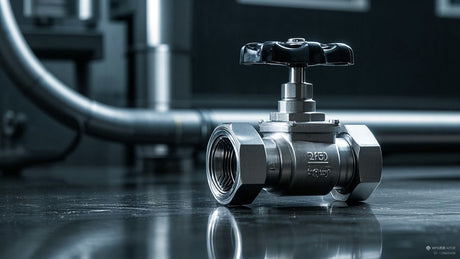
Stainless steel ball valve replacement costs vary widely—from $25 for a small 304 SS valve to $800+ for a large 316 SS trunnion valve.
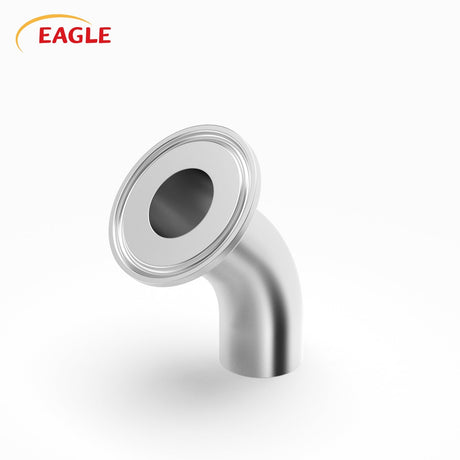
In this guide, we’ll break down how 45 degree elbows impact water pressure, compare them to 90 degree elbows

Two unsung heroes in this field are air relief valves and vacuum relief valves. While they sound similar, their roles are vastly different.

Among the most common types are NPT, NPTF, and NPS threads—each designed for specific applications, but often confused due to their similar names.
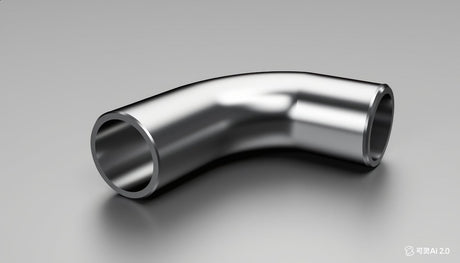
Choosing the right pipe elbow isn’t just about fitting two pipes together—it’s about ensuring your system runs efficiently, safely, and reliably.

Check valves are unsung heroes of plumbing, HVAC, and industrial systems—quietly preventing backflow and keeping fluids (water, gas, chemicals) moving in one direction.
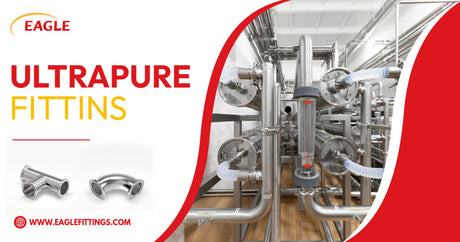
Whether you’re a DIYer or a pro, the 45-degree plumbing elbow is a must-have for flexible, efficient, and leak-free systems.

Whether you’re installing a home plumbing system, industrial pipeline, or HVAC setup, choosing the right pipe fitting method is critical.

Pipe unions and couplings are both essential, but their roles are distinct. Unions shine when you need flexibility

Whether you’re upgrading a home sink or installing an industrial pipeline, a 90 degree elbow is more than a simple bend

Brass and stainless steel fittings each have their strengths—brass for tradition and affordability, stainless steel for durability and modernity.

Walk into any kitchen or bathroom, and you’ll interact with sanitary fittings—even if you don’t realize it.
1” and 1.5” tri clamps are not the same. Their differences in OD, gasket size, and flow capacity directly impact system performance