

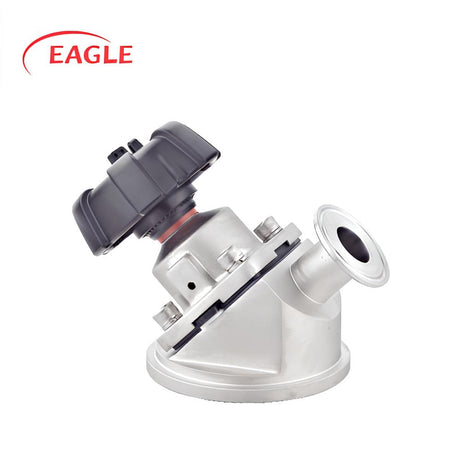
EAGLE™ 3A Aseptisches Membran-Tankbodenventil – Handbuch
Ab $434.80Grundpreis /Nicht verfügbar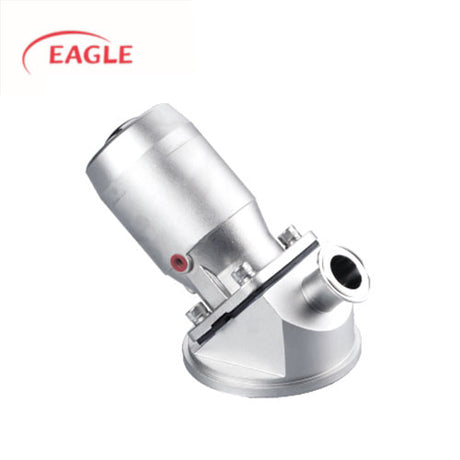
EAGLE™ 3A Aseptisches Membran-Tankbodenventil, pneumatisch
Ab $605.20Grundpreis /Nicht verfügbar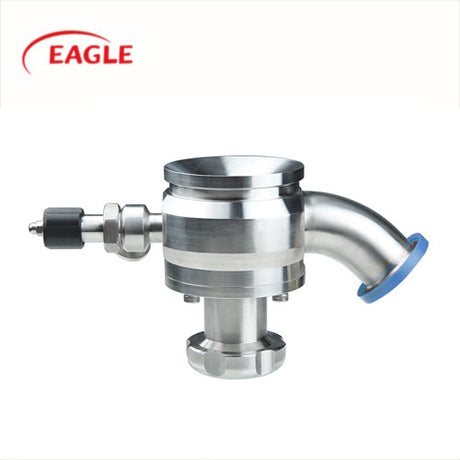 Ab $950.00Grundpreis /Nicht verfügbar
Stainless Steel Tank Bottom Valves: Industrial Durability Meets Sanitary Excellence
In demanding processing environments where both industrial robustness and sanitary compliance are non-negotiable, stainless steel tank bottom valves represent the convergence of two critical engineering disciplines. These specialized components bridge the gap between heavy-duty industrial performance and the meticulous cleanliness requirements of modern sanitary processing.
Consider this operational challenge: A pharmaceutical manufacturer requires vessels that withstand aggressive CIP chemicals while maintaining sterile integrity. Simultaneously, a dairy processor needs equipment that endures mechanical stress while preventing bacterial harborage. Sanitary tank bottom valves in stainless steel construction address both requirements through material science and precision engineering.
Material Science Perspective
The evolution of stainless steel alloys specifically for sanitary applications represents decades of metallurgical advancement. Modern 316L and 317L stainless steels offer not just corrosion resistance, but optimized surface characteristics for cleanability, reduced particulate generation, and enhanced durability under thermal cycling—all critical for tank bottom applications where valves experience unique mechanical and chemical stresses.
Advanced Stainless Steel Engineering for Tank Applications
The selection of stainless steel for tank bottom valves involves more than choosing a corrosion-resistant material—it's about leveraging specific metallurgical properties for optimal performance in vessel applications.
Corrosion Resistance Profile
316L stainless steel provides exceptional resistance to chloride stress corrosion cracking—critical for tank applications exposed to chlorinated cleaning solutions. The low carbon content (<0.03%) prevents sensitization during welding, maintaining corrosion resistance in heat-affected zones.
Performance Data: 316L withstands 1000+ hours in salt spray testing (ASTM B117) without significant corrosion, compared to 304 stainless steel which shows corrosion after 200-400 hours.
Mechanical Strength Analysis
Tank bottom valves experience unique stresses: thermal expansion/contraction, pressure cycling, and mechanical loads from connected piping. 316L stainless steel offers tensile strength of 515 MPa (75 ksi) minimum, with yield strength of 205 MPa (30 ksi), providing robust performance while maintaining ductility for fabrication.
Engineering Insight: The 2:1 safety margin between yield and tensile strength allows for safe operation under varying loads while preventing brittle failure.
Surface Engineering
Surface finish impacts both cleanability and corrosion resistance. Electropolishing (Ra ≤ 0.5μm) not only improves cleanability but also enhances corrosion resistance by removing surface inclusions and creating a uniform, passive oxide layer. This process increases pitting resistance equivalent (PRE) values by 15-20%.
Validation Data: Electropolished surfaces demonstrate 90% reduction in bacterial adhesion compared to mechanically polished surfaces of the same Ra value.
Technical Specifications: Industrial Meets Sanitary
| Technical Parameter | Stainless Steel Grade 316L | Sanitary Enhancement Features | Industrial Performance Standard |
|---|---|---|---|
| Chemical Composition | Cr 16-18%, Ni 10-14%, Mo 2-3%, C ≤0.03% | Low carbon prevents sensitization, molybdenum enhances chloride resistance | ASTM A240/A480 compliant |
| Mechanical Properties | Tensile: 515 MPa, Yield: 205 MPa, Elongation: 40% | Optimized for weld integrity and thermal cycling resistance | Exceeds ASME BPE requirements |
| Corrosion Resistance | PREN: 24-26 (Pitting Resistance Equivalent Number) | Electropolishing enhances passive layer formation | Withstands 5% NaCl at 50°C |
| Surface Finish | Ra ≤ 0.5μm electropolished | Validated cleanability, reduced bacterial adhesion | Meets 3-A and EHEDG standards |
| Temperature Range | -196°C to 450°C (cryogenic to high temp) | Sanitary operation: -30°C to 150°C with standard seals | Full industrial range available |
| Pressure Rating | 150 psi (10 bar) standard, up to 300 psi available | Designed for full vacuum to pressure cycling | ASME B16.34 Class 150 |
Welding & Fabrication Standards
Orbital welding with argon back-purging ensures contamination-free welds. Following ASME BPE guidelines, we maintain:
- Weld bead smoothness equivalent to base material
- Complete penetration without undercut
- Color consistency indicating proper shielding
- Documented welding parameters for traceability
Quality Verification Protocols
Every valve undergoes comprehensive verification:
- Positive Material Identification (PMI) testing
- Ferrite content measurement (<0.5% for austenitic stability)
- Intergranular corrosion testing per ASTM A262
- Dye penetrant testing on all welds
Industrial-Scale Applications with Sanitary Precision
Technical Expertise: Stainless Steel in Sanitary Applications
How does 316L stainless steel compare to 304 for tank bottom valve applications?
While both are austenitic stainless steels, 316L's 2-3% molybdenum content provides significantly better resistance to chloride-induced pitting and crevice corrosion—critical for tank applications exposed to chlorinated cleaning solutions. In salt spray testing, 316L lasts 2.5-3x longer than 304 before showing corrosion. For tank bottom valves, where cleaning solution concentration can be high and dwell times extended, 316L provides essential protection. Additionally, 316L's lower carbon content (<0.03% vs 304's <0.08%) prevents sensitization during welding, maintaining corrosion resistance in heat-affected zones. The cost premium for 316L (typically 20-30%) is justified by extended service life and reduced maintenance costs in aggressive environments.
What are the implications of stainless steel's thermal expansion for tank bottom valve installation?
Stainless steel's coefficient of thermal expansion (16.5 μm/m·°C for 316L) must be considered during installation to prevent stress buildup. For tanks experiencing temperature cycling (e.g., from ambient to sterilization temperatures), proper installation involves: 1) Expansion compensation in connecting piping using expansion joints or loops; 2) Proper support to allow movement without transferring stress to the valve; 3) Weld procedure optimization to accommodate differential expansion between valve and tank. Misalignment from thermal cycling is the most common cause of premature seal failure in tank bottom valves. We recommend finite element analysis (FEA) for large temperature differentials (>50°C) to predict and accommodate expansion effects.
How does electropolishing enhance both sanitary performance and corrosion resistance?
Electropolishing provides three key benefits for stainless steel tank bottom valves: 1) Surface smoothing reduces Ra values to ≤0.5μm, minimizing bacterial adhesion points; 2) Surface alloy enrichment increases chromium content at the surface, enhancing passive layer formation and corrosion resistance; 3) Micro-deburring removes microscopic peaks that could initiate corrosion. Studies show electropolished surfaces have 15-20% higher pitting resistance equivalent (PRE) numbers compared to mechanically polished surfaces. For tank applications, this means better resistance to pitting from chlorides in cleaning solutions and improved cleanability—critical for both industrial durability and sanitary performance.
What welding considerations are specific to stainless steel tank bottom valves?
Welding stainless steel for sanitary applications requires specialized techniques: 1) Back-purging with argon prevents oxidation (sugaring) on the interior, maintaining corrosion resistance; 2) Low heat input techniques minimize heat-affected zone (HAZ) size; 3) Proper filler metal selection (typically ER316L) matches base metal composition; 4) Post-weld treatment including passivation to restore corrosion resistance. For orbital welding, we maintain strict parameters: travel speed 2-6 inches/minute, current 40-120 amps depending on material thickness, with full documentation for validation. Improper welding can reduce corrosion resistance by 50% or more in the HAZ.
How do you validate stainless steel compatibility with specific process chemicals?
Chemical compatibility validation involves three levels: 1) Material certification verifying alloy composition meets specifications; 2) Laboratory testing exposing samples to process chemicals at operating concentrations and temperatures, measuring corrosion rates (typically acceptable at <0.1 mm/year); 3) Application history reviewing performance in similar applications. For aggressive chemicals (pH <2 or >12, chlorides >1000 ppm, organic solvents), we recommend additional testing including electrochemical methods (potentiodynamic polarization) to determine pitting potentials. We maintain a chemical compatibility database with test results for over 200 chemicals commonly used in processing industries.
Material Certification & Industry Compliance
Metallurgical Documentation
- EN 10204 3.1 Material Certificates with traceability to melt
- Positive Material Identification (PMI) reports
- Heat treatment certification per ASTM A480
- Chemical analysis confirming low carbon content
- Ferrite content measurement reports
Testing & Validation
- Intergranular corrosion testing per ASTM A262
- Salt spray corrosion resistance testing
- Surface roughness validation with 3D profilometry
- Pressure testing at 1.5x rated pressure
- Cleanability validation per EHEDG protocols
Industry Standards Compliance
- ASME BPE-2019 for bioprocessing equipment
- 3-A Sanitary Standards 74-00
- EHEDG Type EL Class I certification
- FDA 21 CFR 177.2600 compliance
- CE Marking (PED 2014/68/EU)
Engineering-Grade Stainless Steel Solutions for Your Tank Applications
From material selection to installation engineering, our team provides comprehensive solutions that leverage stainless steel's capabilities for both industrial durability and sanitary performance in tank bottom applications.
Material Selection Analysis
Detailed evaluation of stainless steel grades for your specific chemical and thermal environment
Installation Engineering
Comprehensive installation protocols including welding procedures and thermal expansion considerations
Validation Support
Complete documentation packages including material certificates and test reports for regulatory compliance
24/7 Technical Support
Global engineering network
Material Testing Lab
In-house corrosion & compatibility testing
15+ Years Experience
Stainless steel fabrication expertise
Top-Tipps für Sie
Alle anzeigen-


EAGLE™ 3A Hygienisches Probenahmeventil mit Stopfen
Auf Lager (40 Einheiten)Ab $320.86Grundpreis /Nicht verfügbar -

2-Zoll x 1-Zoll Edelstahl-Konzentrischer Reduzierer
Ab $43.30Grundpreis /Nicht verfügbar -
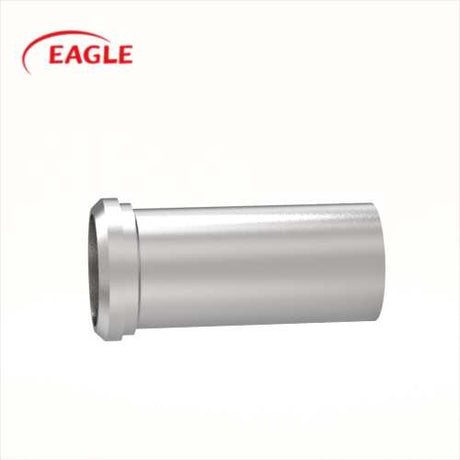
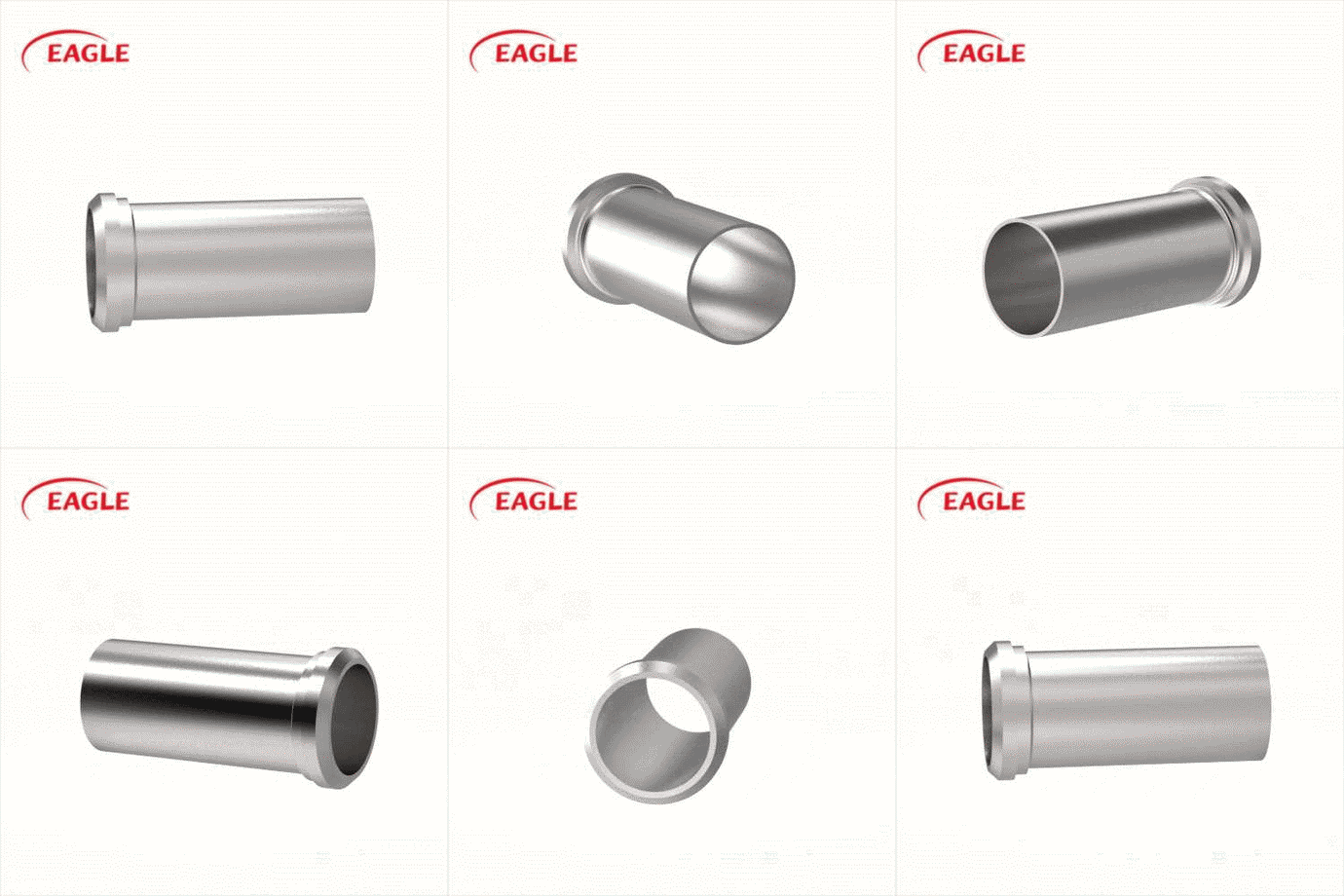
EAGLE™ 3A 14AHT Tygon-Schlauchadapter mit einfachem Kegelsitz
Sehr geringer Bestand (2 Einheiten)Ab $31.10Grundpreis /Nicht verfügbar -
2" Sanitär-Tygon-Schlauchadapter mit einfachem Schrägsitz
Sehr geringer Bestand (2 Einheiten)Ab $40.70Grundpreis /Nicht verfügbar -
1" Sanitär-Tygon-Schlauchadapter mit einfachem Schrägsitz
Sehr geringer Bestand (2 Einheiten)Ab $31.10Grundpreis /Nicht verfügbar -
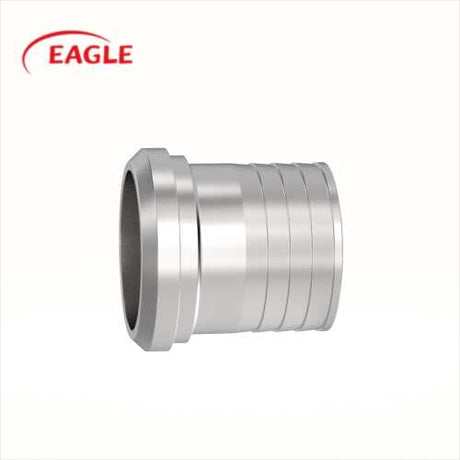
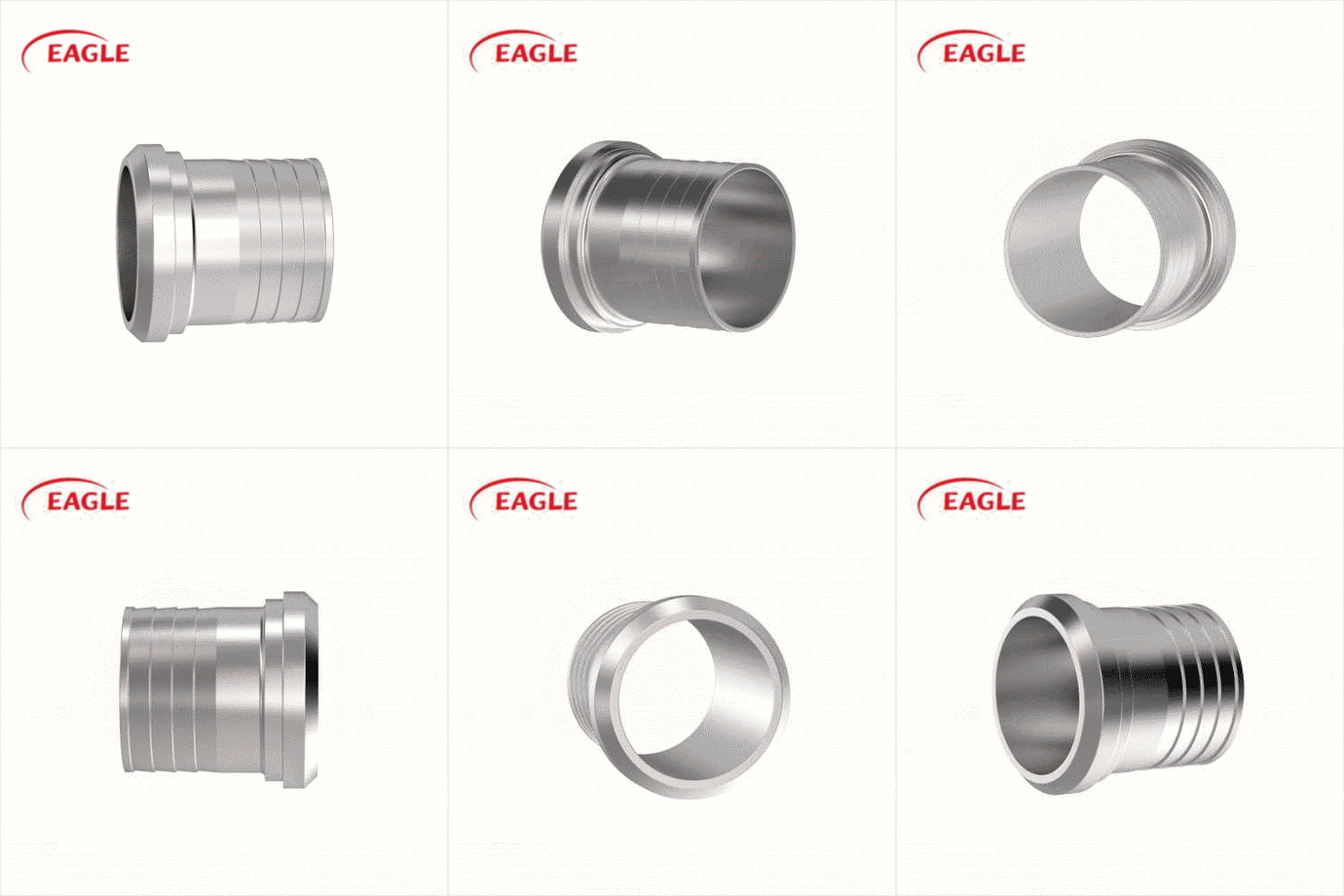
4" Gummischlauchadapter mit einfachem Kegelsitz
Sehr geringer Bestand (2 Einheiten)Ab $167.00Grundpreis /Nicht verfügbar -
2-1/2" Gummischlauchadapter mit einfachem Kegelsitz
Sehr geringer Bestand (2 Einheiten)Ab $128.00Grundpreis /Nicht verfügbar -
2" Gummischlauchadapter mit einfachem Kegelsitz
Sehr geringer Bestand (2 Einheiten)Ab $80.00Grundpreis /Nicht verfügbar -
1-1/2" Gummischlauchadapter mit einfachem Kegelsitz
Sehr geringer Bestand (2 Einheiten)Ab $55.30Grundpreis /Nicht verfügbar -
1" Gummischlauchadapter mit einfachem Kegelsitz
Sehr geringer Bestand (2 Einheiten)Ab $55.00Grundpreis /Nicht verfügbar -
3" Gummischlauchadapter mit einfachem Kegelsitz
Sehr geringer Bestand (2 Einheiten)Ab $147.00Grundpreis /Nicht verfügbar -
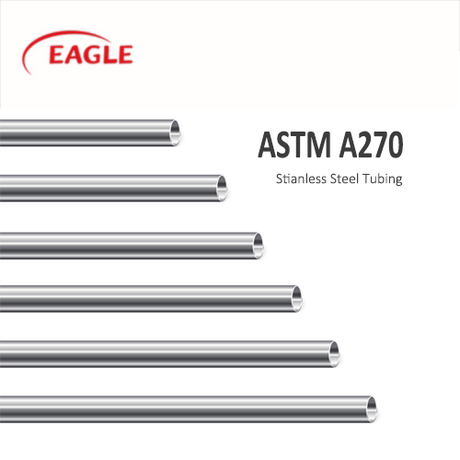
2-1/2" Außendurchmesser 304/316L Sanitär-Edelstahlrohr
Ab $131.20Grundpreis /Nicht verfügbar


