
Pneumatically Actuated Ball Valves: Types, Working Principle, Applications
A pneumatically actuated ball valve is a ball valve fitted with a pneumatic actuator — an air-driven device that rotates the valve's ball 90° to open or close it, powered...

A pneumatically actuated ball valve is a ball valve fitted with a pneumatic actuator — an air-driven device that rotates the valve's ball 90° to open or close it, powered...

Quality super stainless steel plug valves are more than just components—they’re investments in reliability and safety
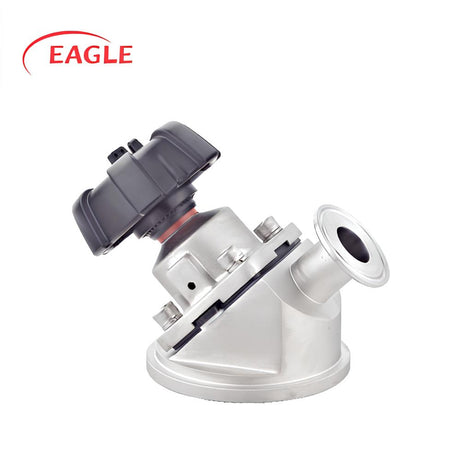
In this guide, we’ll break down what diaphragm valves are, how they differ from ball, globe, or gate valves, and compare leading manufacturers

In this guide, we’ll break down how each valve works, their pros and cons, and when to pick one over the other.

If your sink, toilet, or water heater is leaking, a faulty shut off valve might be the culprit. But how much does it cost to replace one?

Knowing whether a valve is open or closed might seem simple—until you’re staring at a rusted handle, a vague label, or a specialized industrial valve with no obvious indicators.
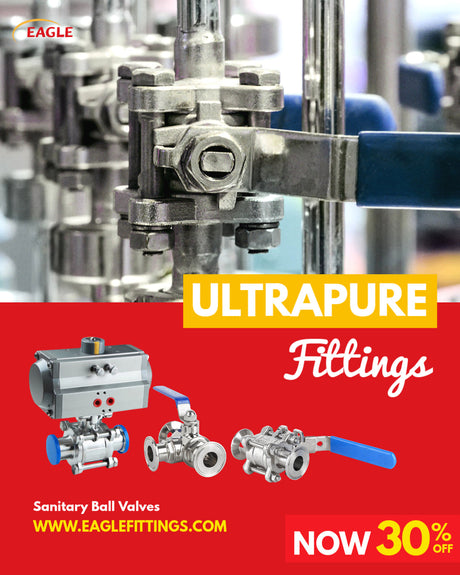
In this guide, we’ll break down the factors that influence costs, compare prices for standard vs. sanitary valves

An eccentric hemispherical valve isn’t just a component—it’s a long-term investment in efficiency and uptime.

In this guide, we’ll explore what sanitary butterfly valves are, how they work, and why Eagle Fittings has become a go-to brand for cost-conscious buyers. Plus, we’ll break down real-world...

But for buyers, navigating sanitary check valve prices can be challenging, with costs varying widely based on size, material, and certification.

Sanitary stainless steel tube replacement is a necessary cost for maintaining safe, efficient operations—but it doesn’t have to be a surprise.
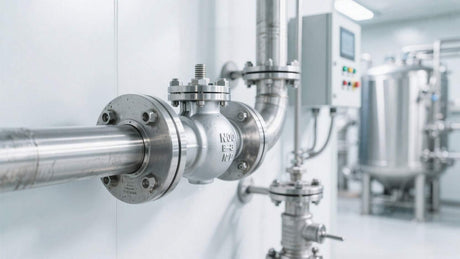
Enter the ball non return valve—also commonly known as a ball check valve—a simple yet indispensable component designed to allow fluid to flow in one direction while automatically stopping backflow.

Non-return valves—also known as check valves—are critical for preventing backflow in pipelines, protecting pumps, compressors, and sensitive equipment from damage.

Butterfly valves are versatile, cost-effective, and widely used in fluid control systems—from municipal water plants to HVAC systems and oil refineries

API 607 and API 608 aren’t just “checkboxes”—they’re guarantees that your valves will perform under stress. API 607 ensures fire safety, while API 608 ensures ball valve quality.

Valves are the unsung heroes of fluid control systems—regulating flow, pressure, and direction in everything from industrial pipelines to residential plumbing.