

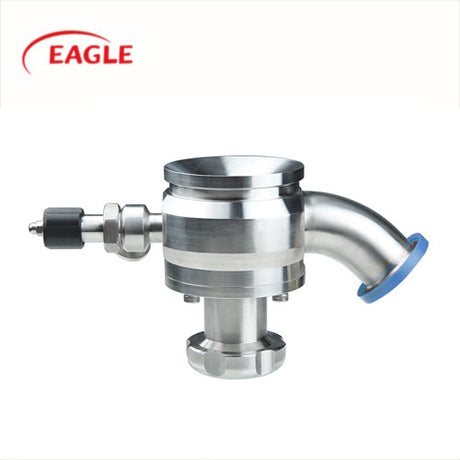
Válvula de fondo de tanque EAGLE™ 3A
Desde $950.00Precio unitario /Agotado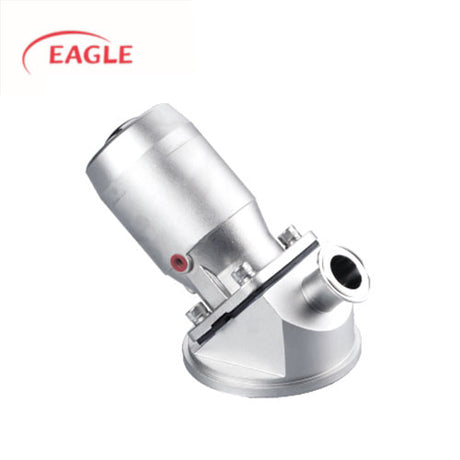
Válvula de fondo de tanque con diafragma aséptico EAGLE™ 3A neumática
Desde $605.20Precio unitario /Agotado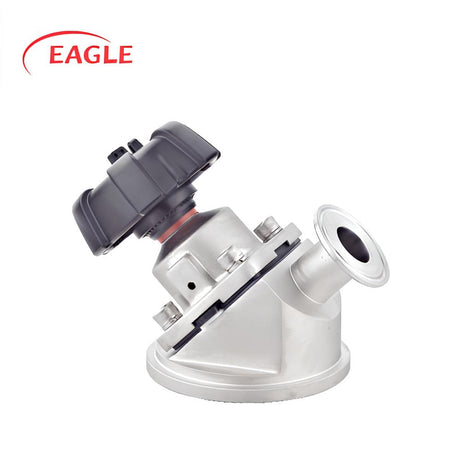
Manual de la válvula de fondo de tanque de diafragma aséptico EAGLE™ 3A
Desde $434.80Precio unitario /Agotado
Sanitary Tank Bottom Valves: Engineered for Complete Drainage & Zero Product Loss
When every drop of product matters and complete vessel evacuation is non-negotiable, sanitary tank bottom valves deliver the performance that processing facilities depend on. These specialized valves are designed for one critical purpose: to ensure 100% product recovery from tanks, vessels, and reactors while maintaining the highest standards of hygiene.
Consider this operational reality: In pharmaceutical manufacturing, incomplete drainage from a 5,000-liter bioreactor could mean losing thousands of dollars in active ingredients. In dairy processing, residual product in tanks creates bacterial growth risks and cleaning challenges. Tank bottom valves address these exact challenges through precision engineering and hygienic design.
Industry Insight: Modern processing facilities are increasingly adopting tank bottom valves as standard equipment rather than afterthought additions. The shift toward single-use technologies and intensified batch processing has highlighted the economic and operational value of valves that deliver complete drainage while meeting stringent sanitary requirements.
Zero Dead-Leg Design: The Foundation of Complete Drainage
Unlike conventional valves adapted for tank outlets, our sanitary tank bottom valves are engineered from the ground up for vessel applications. This fundamental design philosophy delivers tangible operational benefits:
Flush Tank Mounting
The valve body integrates seamlessly with the tank bottom, eliminating the traditional sump or recess where product could accumulate. This flush design ensures the valve's internal components align perfectly with the tank's interior surface.
Optimized Flow Path
Full-bore design with smooth, radiused transitions prevents product hang-up. The flow path mimics the tank's natural drainage pattern, reducing resistance and preventing viscous products from clinging to surfaces.
CIP-Enhanced Geometry
Every internal surface is designed for effective cleaning. No sharp corners, no crevices, no areas where cleaning solutions cannot reach. The design has been validated for both Clean-in-Place and Sterilize-in-Place operations.
Material Integrity
316L stainless steel with electropolished surfaces (Ra ≤ 0.5μm) provides both corrosion resistance and exceptional cleanability. All product-contact materials are FDA-compliant and suitable for food, pharmaceutical, and biotechnology applications.
Technical Specifications for Optimal Performance
| Design Parameter | Standard Specifications | Performance Benefit |
|---|---|---|
| Connection Types | Flush tank weld, Tri-clamp, ISO, ASME BPE | Flexible installation options for new and existing vessels |
| Valve Mechanisms | Diaphragm, Ball, Butterfly (tank-specific) | Optimal mechanism selection based on media and process requirements |
| Actuation Options | Manual, Pneumatic, Electric, Hydraulic | Integration with process automation and control systems |
| Size Range | 1" to 8" (DN25 to DN200) | Compatibility with small lab reactors to large production vessels |
| Pressure Rating | Up to 10 bar (145 psi) standard | Adequate for most tank applications with safety margin |
| Temperature Range | -20°C to 150°C (-4°F to 302°F) | Suitable for chilled storage through sterilization cycles |
| Surface Finish | Ra ≤ 0.5μm electropolished standard | Superior cleanability and reduced bacterial adhesion |
| Material Compliance | 316L SS, FDA 21 CFR 177, EU 10/2011 | Global regulatory compliance for food and pharmaceutical use |
Yield Improvement Calculations
Traditional valves can retain 0.5-2% of vessel volume. Our tank bottom valves typically achieve 99.8-99.9% product recovery. For a 5,000L tank processing $100/L product, this represents:
- Traditional valve: 25-100L product loss = $2,500-$10,000 per batch
- Our design: 5-10L product loss = $500-$1,000 per batch
- Annual savings (50 batches): $100,000-$450,000
Cleaning Efficiency Metrics
Validation testing demonstrates measurable improvements:
- CIP time reduction: 30-40% shorter cycles
- Chemical usage: 25-35% reduction in cleaning agents
- Water consumption: 20-30% less rinse water
- Validation cycles: 50% fewer cycles to achieve cleanliness
Professional Installation & Integration Guidance
Proper installation is critical to achieving the performance benefits of tank bottom valves. Based on hundreds of successful installations, we've developed best practices:
Tank Preparation
Ensure the tank bottom is properly prepared for flush mounting. This includes verifying flatness, cleaning the weld area, and confirming orientation. For retrofits, we provide custom transition plates.
Welding & Integration
Orbital welding ensures consistent, high-quality welds without contamination. We recommend purging with argon during welding to prevent oxidation. Post-weld passivation restores corrosion resistance.
Alignment & Support
Proper alignment prevents stress on the valve body. Support the downstream piping independently. Misalignment is the most common cause of premature seal wear and leakage.
Testing & Validation
Conduct pressure testing, drain testing, and CIP simulation before putting into service. Document all tests for validation packages. We provide templates and protocols.
Industry-Specific Solutions
Expert Answers: Sanitary Tank Bottom Valves
What makes tank bottom valves different from standard valves installed at tank outlets?
Tank bottom valves are specifically engineered for vessel applications, while standard valves are adapted for this purpose. Key differences include: 1) Flush mounting design that eliminates sumps and recesses; 2) Optimized internal geometry for complete drainage rather than just flow control; 3) Enhanced cleanability with no dead legs or hard-to-clean areas; 4) Structural considerations for supporting vessel loads. Standard valves installed at tank outlets typically leave 0.5-2% residual product, while properly designed tank bottom valves achieve 99.8%+ recovery.
How do I choose between diaphragm, ball, or butterfly mechanisms for tank bottom applications?
Selection depends on media characteristics and process requirements: Diaphragm valves offer the best sterility and cleanability for pharmaceutical and biotech applications—ideal for sterile products and easy maintenance. Ball valves provide excellent shut-off and are suitable for most food and dairy applications—good for viscous products. Butterfly valves are cost-effective for larger diameters (4"+) and suitable for less viscous media. As a general rule: Use diaphragm for sterile processes, ball for general sanitary applications, and butterfly for large diameter utility or water applications.
Can tank bottom valves be retrofitted to existing vessels, or do they require new tank construction?
Both options are available. For new vessels, we recommend flush welding during fabrication for optimal performance. For existing vessels, we provide retrofitting solutions including: 1) Transition adapters that minimize dead space while allowing installation without major tank modifications; 2) Custom flange plates for specific tank geometries; 3) Field installation support including welding procedures and alignment guides. Successful retrofits typically achieve 90-95% of the performance of purpose-built installations when properly executed.
What maintenance should be performed on sanitary tank bottom valves?
Proper maintenance extends valve life and ensures performance: 1) Weekly: Visual inspection for leaks and proper operation; 2) Monthly: Check actuator performance and position indicators; 3) Quarterly: Inspect seals and diaphragms for wear; 4) Annually: Complete disassembly, inspection, and replacement of wear components. Diaphragms typically last 1-3 years depending on cycle frequency; ball valve seats last 2-4 years. We provide detailed maintenance schedules and spare parts kits for predictable upkeep.
How do you validate cleaning effectiveness for tank bottom valves in regulated industries?
Validation follows a structured approach: 1) Design qualification demonstrating cleanable design principles; 2) Installation qualification confirming proper installation; 3) Operational qualification testing cleanability under worst-case conditions; 4) Performance qualification verifying cleaning effectiveness over multiple cycles. We support validation with: Design justification documents, cleaning procedure recommendations, residue sampling protocols, and testing data from similar installations. For pharmaceutical applications, we provide extractables and leachables data upon request.
Compliance, Certification & Technical Support
Regulatory Compliance
- 3-A Sanitary Standard 74-00 for tank outlet valves
- EHEDG Type EL Class I certified designs
- FDA CFR 21 & EU 10/2011 material compliance
- ASME BPE-2019 for bioprocessing equipment
- CE Marking (PED 2014/68/EU) for pressure equipment
Quality Assurance
- 100% pressure testing at 1.5x rated pressure
- Surface roughness verification (Ra measurements)
- Material traceability with 3.1 certificates
- Drainage efficiency testing per customer media
- Cleanability validation testing protocols
Engineering Support
- Application-specific valve selection
- Installation engineering & welding procedures
- Validation documentation support
- Training programs for maintenance teams
- Global technical support network
Optimize Your Tank Performance with Complete Drainage Solutions
Whether you're designing new processing vessels or optimizing existing tanks, our engineering team provides comprehensive tank bottom valve solutions that deliver measurable improvements in product recovery, cleaning efficiency, and operational reliability.
Technical Assessment
Submit your tank specifications for drainage optimization analysis
Yield Improvement Analysis
Calculate potential product recovery improvements for your specific application
Installation Planning
Receive detailed installation guidance for new builds or retrofits
Response Commitment: 24-hour technical response | Site surveys available | Global installation support network
Las mejores selecciones para ti
Ver todos-


Válvula de muestreo de tipo tapón sanitario EAGLE™ 3A
Disponibles (40 unidades)Desde $320.86Precio unitario /Agotado -

Reductor concéntrico de acero inoxidable de 2 pulgadas x 1 pulgada
Desde $43.30Precio unitario /Agotado -
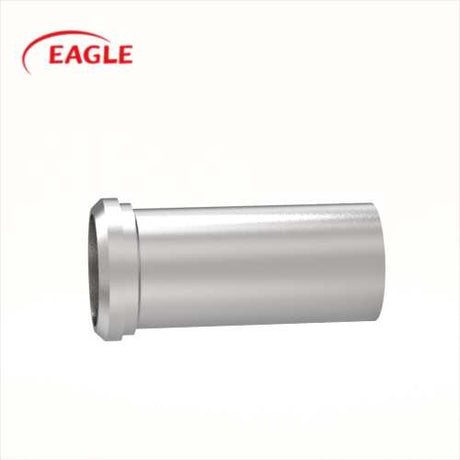
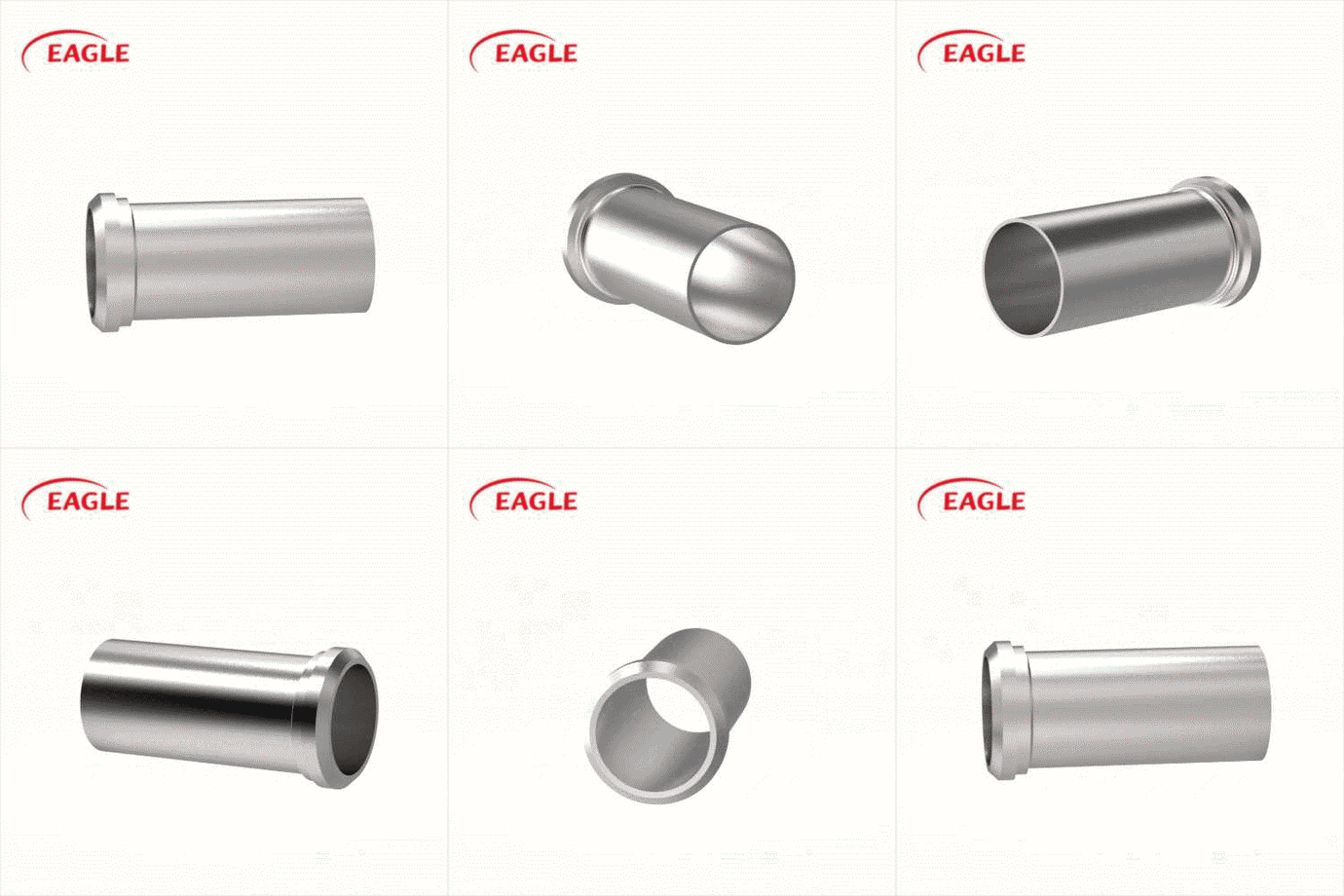
Adaptadores de manguera Tygon con asiento biselado liso EAGLE™ 3A 14AHT
Muy poca disponibilidad (2 unidades)Desde $31.10Precio unitario /Agotado -
Adaptador de manguera Tygon con asiento biselado liso sanitario de 2"
Muy poca disponibilidad (2 unidades)Desde $40.70Precio unitario /Agotado -
Adaptador de manguera Tygon con asiento biselado liso sanitario de 1"
Muy poca disponibilidad (2 unidades)Desde $31.10Precio unitario /Agotado -
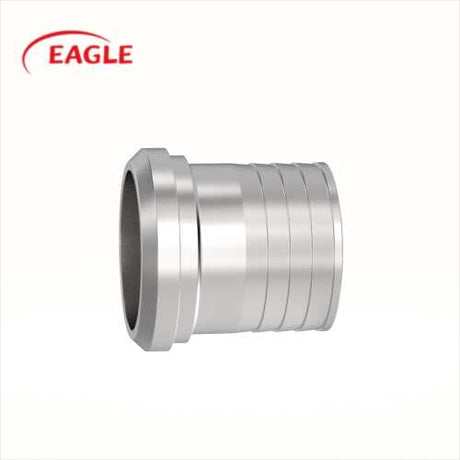
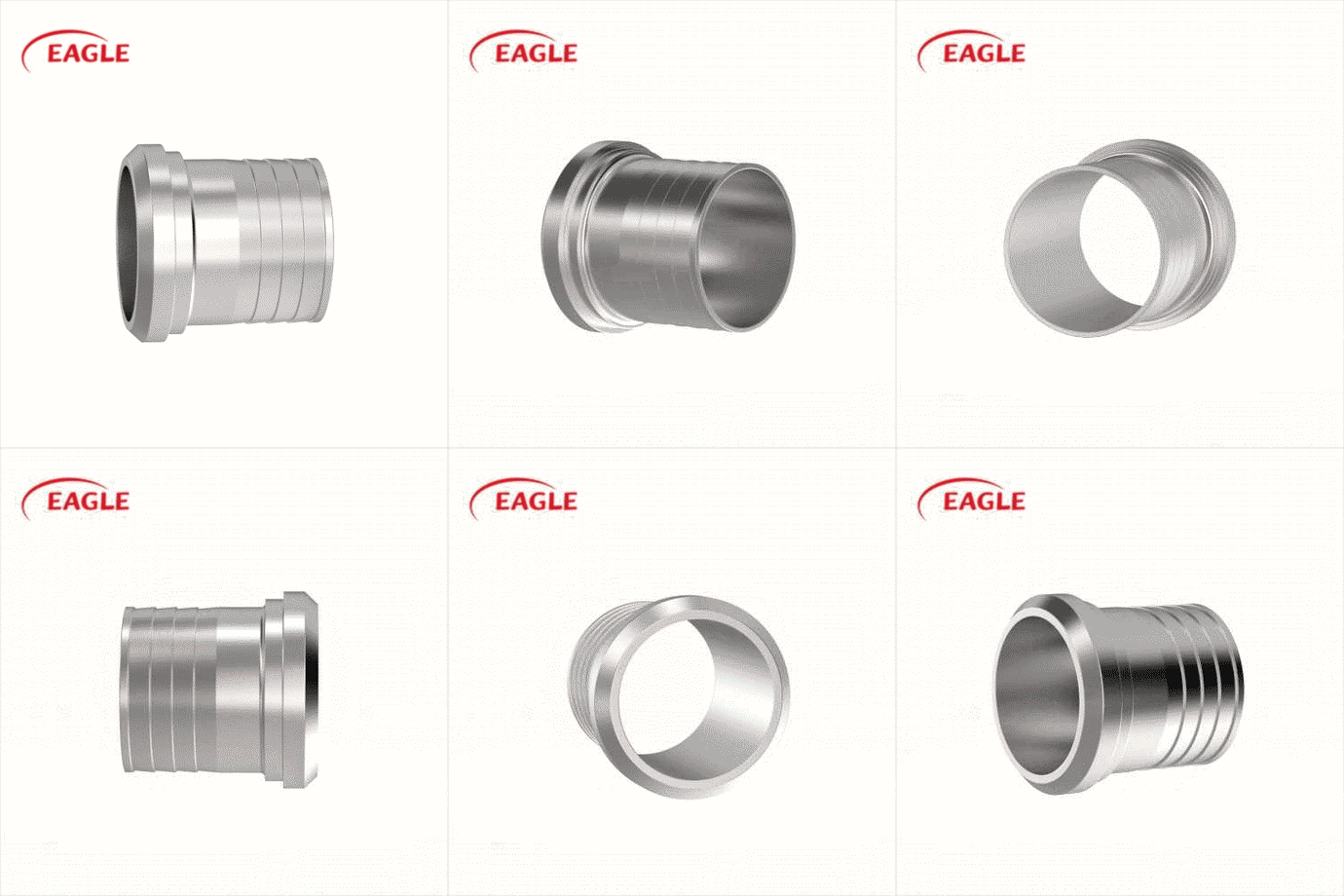
Adaptador de manguera de goma con asiento biselado liso de 4"
Muy poca disponibilidad (2 unidades)Desde $167.00Precio unitario /Agotado -
Adaptador de manguera de goma con asiento biselado liso de 2-1/2"
Muy poca disponibilidad (2 unidades)Desde $128.00Precio unitario /Agotado -
Adaptador de manguera de goma con asiento biselado liso de 2"
Muy poca disponibilidad (2 unidades)Desde $80.00Precio unitario /Agotado -
Adaptador de manguera de goma con asiento biselado liso de 1-1/2"
Muy poca disponibilidad (2 unidades)Desde $55.30Precio unitario /Agotado -
Adaptador de manguera de goma con asiento biselado liso de 1"
Muy poca disponibilidad (2 unidades)Desde $55.00Precio unitario /Agotado -
Adaptador de manguera de goma con asiento biselado liso de 3"
Muy poca disponibilidad (2 unidades)Desde $147.00Precio unitario /Agotado -
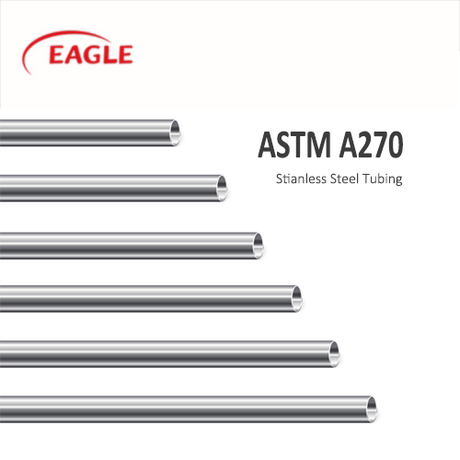
Tubería de acero inoxidable sanitario 304/316L de 2-1/2" de diámetro exterior
Desde $131.20Precio unitario /Agotado


