
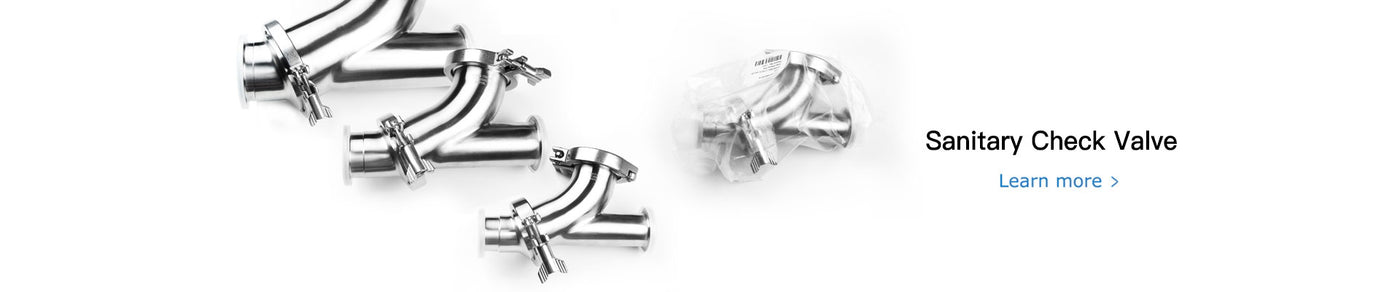
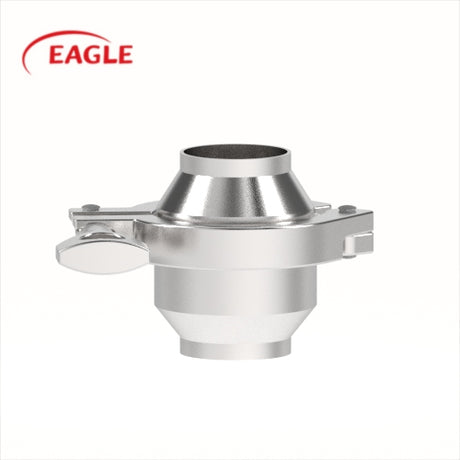
Válvula de retención unidireccional sanitaria de acero inoxidable de 1-1/2"
$243.30Precio unitario /Agotado-
Válvula de retención unidireccional sanitaria de acero inoxidable de 1/2"
$211.50Precio unitario /Agotado -
Válvula de retención unidireccional sanitaria de acero inoxidable 316L de 3/4"
$237.00Precio unitario /Agotado -
Válvula de retención unidireccional sanitaria de acero inoxidable 316L de 4"
$727.50Precio unitario /Agotado -
Válvula de retención unidireccional sanitaria de acero inoxidable 316L de 3"
$567.60Precio unitario /Agotado -
Válvula de retención unidireccional de acero inoxidable sanitario de 2"
$307.60Precio unitario /Agotado -
Válvula de retención de acero inoxidable de 1/2"
$211.50Precio unitario /Agotado 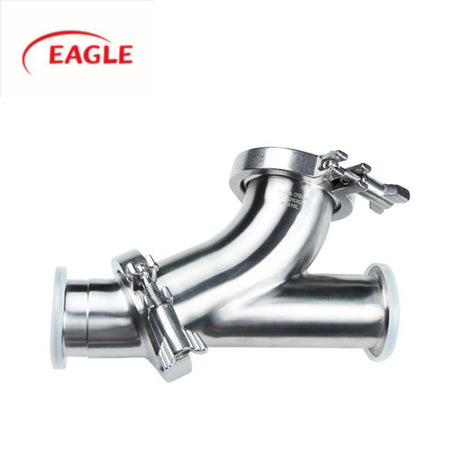
Válvula de retención sanitaria tipo Y EAGLE™
Desde $402.90Precio unitario /Agotado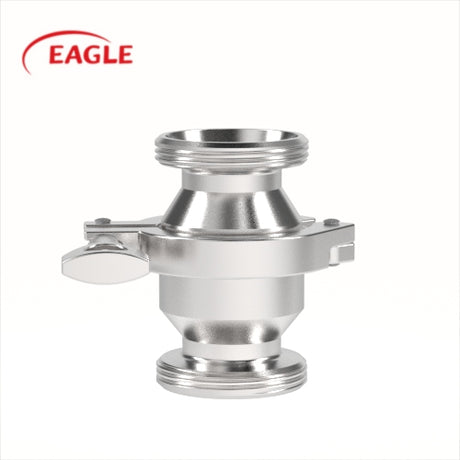
Válvula de retención roscada EAGLE™ 3A
Desde $324.40Precio unitario /Agotado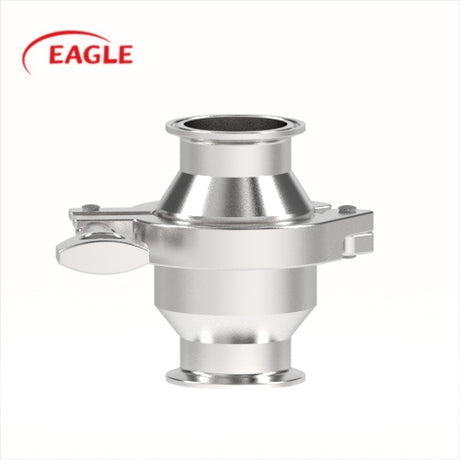
Válvula de retención con abrazadera EAGLE™ 3A
Desde $234.50Precio unitario /Agotado-
Válvula de retención soldada EAGLE™ 3A
Desde $211.50Precio unitario /Agotado
Stainless Steel Sanitary Check Valves: Dual Protection for Industrial and Hygienic Applications
In modern processing industries, serve as critical components that ensure both process reliability and product integrity. When industrial durability meets stringent sanitary requirements, provide the comprehensive protection that demanding applications require.
Consider these operational realities: In food production, a single backflow incident could contaminate thousands of pounds of product. In pharmaceutical manufacturing, reverse flow could compromise an entire batch of high-value active ingredients. These scenarios demonstrate why professional-grade are essential—they provide not just flow control, but risk mitigation and quality assurance.
Industry Perspective: As global food and pharmaceutical safety standards continue to evolve, conventional industrial check valves often fall short of modern sanitary requirements. Today's must combine stainless steel's corrosion resistance with hygienic design principles and compliance with rigorous certification standards—this trifecta defines the performance benchmark for next-generation check valves.
The Engineering Advantages of Stainless Steel
Choosing represents more than just material selection—it's an investment in long-term reliability, reduced total cost of ownership, and compliance with industry best practices.
316L Austenitic Stainless Steel
Molybdenum-containing alloy provides exceptional resistance to chloride corrosion, ideal for systems using chlorinated cleaners or operating in coastal environments. Delivers 40-60% longer service life compared to 304 stainless steel.
Surface Finishing Technology
Electropolishing (EP) achieves Ra≤0.5μm, mechanical polishing achieves Ra≤0.8μm. Ultra-smooth surfaces reduce bacterial adhesion by over 90%, significantly improving cleaning efficiency and reducing contamination risks.
Thermal Treatment Processes
Solution annealing eliminates internal stresses and enhances corrosion resistance. Testing according to ASTM A262 Practice E ensures no intergranular corrosion susceptibility, crucial for welded applications.
Economic Analysis of Material Selection
While typically require 25-40% higher initial investment compared to carbon steel or plastic alternatives, their total cost of ownership over a 3-5 year period is generally lower: maintenance costs reduced by 60%, replacement frequency decreased by 75%, and downtime minimized by 85%. For continuously operating production facilities, this investment often pays for itself within 12-18 months through reduced shutdowns and improved operational efficiency.
Engineering Specifications & Performance Parameters
| Performance Metric | Standard Stainless Steel Check Valve | Sanitary Enhanced Model | Industry Benchmark Comparison |
|---|---|---|---|
| Working Pressure Range | 0-150 PSI (10.3 bar) | 0-125 PSI (8.6 bar) | Industry Standard: 0-100 PSI |
| Temperature Range | -20°C to 200°C | -30°C to 150°C (SIP compatible) | Sanitary Standard: -10°C to 135°C |
| Minimum Cracking Pressure | 0.5-5.0 PSI adjustable | 1.0-3.0 PSI preset | Conventional Valves: 2-10 PSI |
| Response Time | < 0.2 seconds | < 0.1 seconds (spring optimized) | Industrial Standard: 0.3-0.5 seconds |
| Pressure Loss Coefficient | Kv = 0.8 | Kv = 0.9 (full-bore design) | Standard Check Valves: Kv = 0.5-0.7 |
| Cycle Life | 1,000,000 cycles | 500,000 cycles (sanitary standard) | Economy Grade: 100,000-300,000 cycles |
| Seat Leakage Rate | ANSI Class VI | Zero visible leakage (sanitary grade) | Industrial Standard: ANSI Class IV |
Sanitary Design Features
- Zero dead-leg fluid passage design
- Quick-disassembly maintenance structure
- CIP/SIP compatible sealing system
- Surface roughness Ra ≤ 0.8μm
- No threaded product contact zones
Industrial Reliability Features
- Spring-assisted rapid closure
- Multi-directional installation capability
- Wide temperature and pressure range
- Water hammer resistant design
- Long-term maintenance-free operation
Engineering Applications: From Concept to Implementation
High-Purity Water Systems
In pharmaceutical and electronics ultrapure water systems, prevent back-contamination, protecting reverse osmosis and ion exchange equipment worth hundreds of thousands of dollars. Electropolished 316L stainless steel with PTFE seals ensures zero ion release and minimal particle generation.
Food & Beverage Processing
In dairy, juice, and brewing operations, withstand multiple daily CIP cycles while preventing cross-contamination between batches or products. Full-bore design ensures complete drainage with zero product retention, complying with 3-A and EHEDG sanitary standards.
Biopharmaceutical Manufacturing
In monoclonal antibody, vaccine, and cell therapy production, provide sterile barriers preventing reverse flow of valuable biologics. Compliant with ASME BPE standards and supported by complete validation documentation packages.
Technical Q&A: Stainless Steel & Sanitary Check Valves
What are the fundamental material differences between stainless steel check valves and conventional industrial check valves?
The core differences manifest in three areas: 1) Alloy Composition: Food-grade stainless steel (316/316L) contains molybdenum, significantly enhancing chloride corrosion resistance; 2) Surface Finish: Sanitary applications require surface roughness of Ra≤0.8μm, while industrial valves typically feature Ra3.2-6.3μm; 3) Manufacturing Standards: Sanitary valves follow specific standards like 3-A and EHEDG, including zero dead-leg design and cleanability validation. These differences result in stainless steel sanitary check valves costing 30-50% more but providing essential protection for hygiene-sensitive applications.
How do I select appropriate stainless steel check valves for high-temperature, high-pressure applications?
High-temperature, high-pressure environments require special consideration: 1) Material Grade: For temperatures above 150°C, consider 317L or 904L stainless steel; 2) Seal Materials: Standard EPDM is limited to 135°C, PTFE handles up to 200°C, and FFKM withstands up to 230°C; 3) Spring Design: Spring force degrades at elevated temperatures, requiring specially heat-treated springs; 4) Pressure Rating: Ensure the valve's rated pressure is at least 1.5 times the maximum working pressure. For applications exceeding 200°C or 20 bar, we recommend specialized engineering evaluation.
What are the special validation and documentation requirements for sanitary check valves?
Sanitary applications demand comprehensive quality documentation: 1) Material Certificates: Type 3.1 material certificates traceable to foundry heat numbers; 2) Surface Roughness Reports: Ra value certification with multiple measurement points; 3) Cleaning Validation Support: Recommended cleaning procedures and residue testing data; 4) Compliance Declarations: Statements of conformity with 3-A, FDA, EHEDG, and other standards; 5) Installation & Maintenance Guidelines: Detailed instructions for hygienic installation. These documents are critical for audits in pharmaceutical and food industries.
How can I extend stainless steel check valve service life in corrosive environments?
Key strategies for extending service life: 1) Material Upgrades: For strongly acidic environments (pH<2) or high chloride levels (>1000 ppm), consider Hastelloy or titanium alloys; 2) Surface Treatments: Electropolishing not only improves cleanability but also enhances corrosion resistance; 3) Operational Practices: Avoid valve operation in partially open positions, which causes uneven flow and accelerates corrosion; 4) Preventive Maintenance: Inspect seals every 6 months and conduct pressure tests annually; 5) System Design: Ensure valves don't experience excessive pressure or thermal shocks. Following these practices can extend stainless steel check valve life from 2-3 years to 5-8 years in corrosive environments.
What are the special installation considerations for stainless steel sanitary check valves?
Proper installation is critical: 1) Direction Verification: Ensure arrow direction matches process flow; incorrect installation causes valve failure; 2) Support Requirements: Large diameter (>3") valves require independent support to avoid pipeline stress; 3) Cleaning Protocol: Thoroughly clean before installation using lint-free cloths and appropriate cleaners; 4) Torque Control: Use torque wrenches for connections to avoid deformation from over-tightening; 5) Testing Procedure: Conduct pressure and flow direction tests after installation. We provide detailed installation videos and on-site guidance to ensure optimal performance.
Quality Certifications & Industry Compliance
Need Professional Check Valve Solutions?
Whether you're facing corrosive media, high-temperature high-pressure environments, or stringent sanitary compliance requirements, our engineering team delivers customized solutions. From material selection to system integration, we provide end-to-end technical support.
Free Engineering Assessment
Submit your process parameters for customized valve recommendations
Sample Testing Program
Test valve performance in your actual operating conditions with zero-risk validation
Technical Workshop
Arrange on-site or virtual technical sessions to address specific engineering challenges
Response Time: 24 hours on business days | Emergency Requirements: 4-hour response | Global Technical Support Network
Las mejores selecciones para ti
Ver todos-


Válvula de muestreo de tipo tapón sanitario EAGLE™ 3A
Disponibles (40 unidades)Desde $320.86Precio unitario /Agotado -

Reductor concéntrico de acero inoxidable de 2 pulgadas x 1 pulgada
Desde $43.30Precio unitario /Agotado -
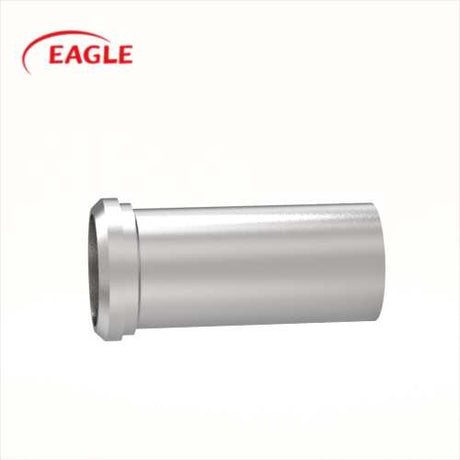
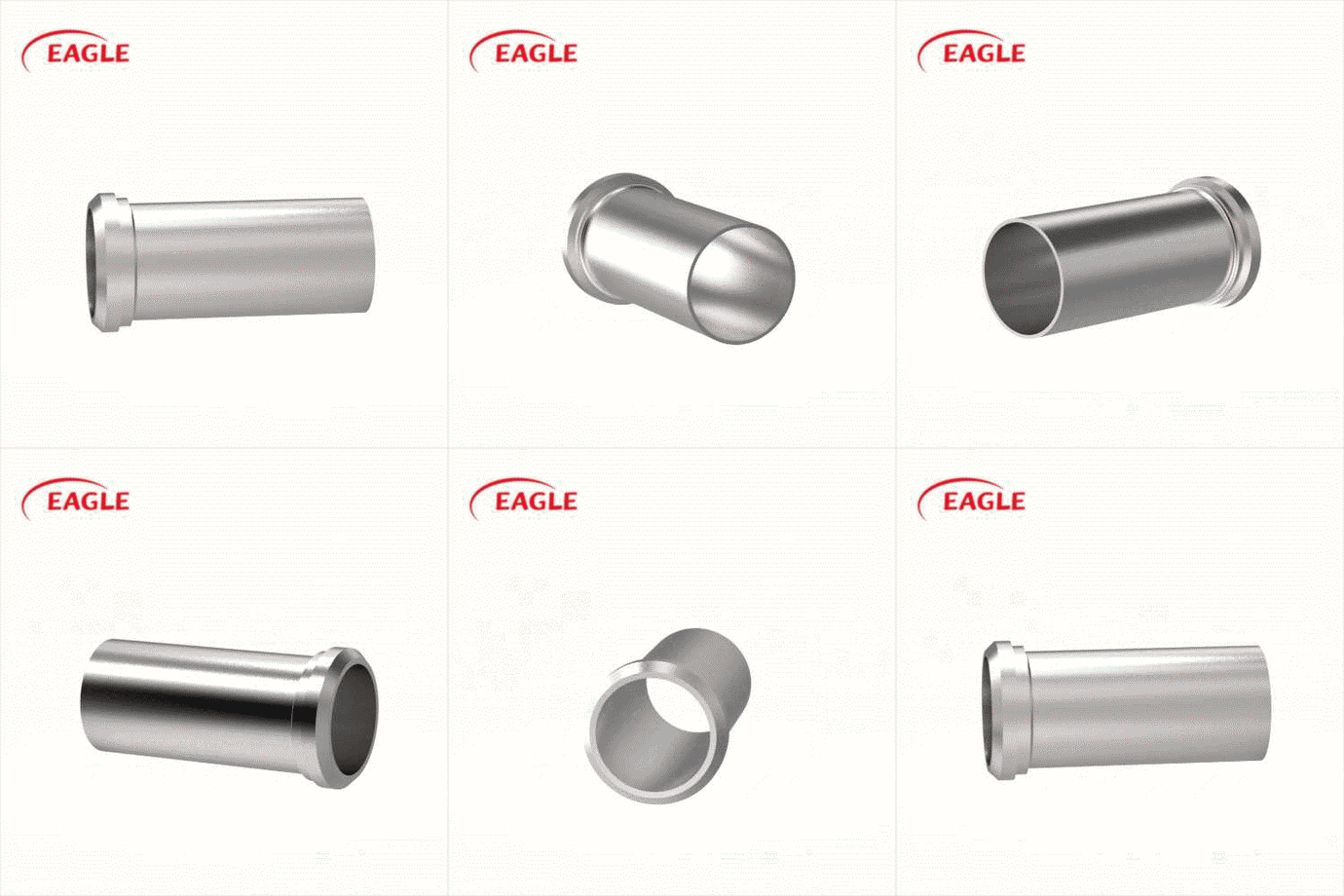
Adaptadores de manguera Tygon con asiento biselado liso EAGLE™ 3A 14AHT
Muy poca disponibilidad (2 unidades)Desde $31.10Precio unitario /Agotado -
Adaptador de manguera Tygon con asiento biselado liso sanitario de 2"
Muy poca disponibilidad (2 unidades)Desde $40.70Precio unitario /Agotado -
Adaptador de manguera Tygon con asiento biselado liso sanitario de 1"
Muy poca disponibilidad (2 unidades)Desde $31.10Precio unitario /Agotado -
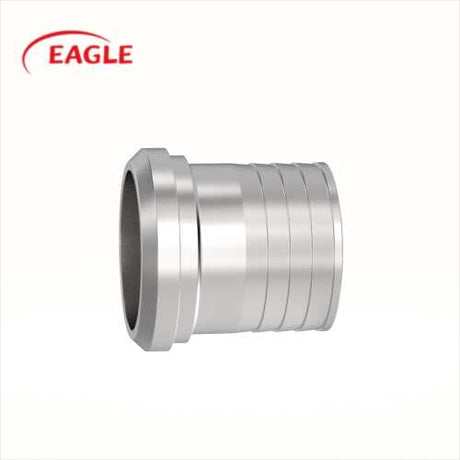
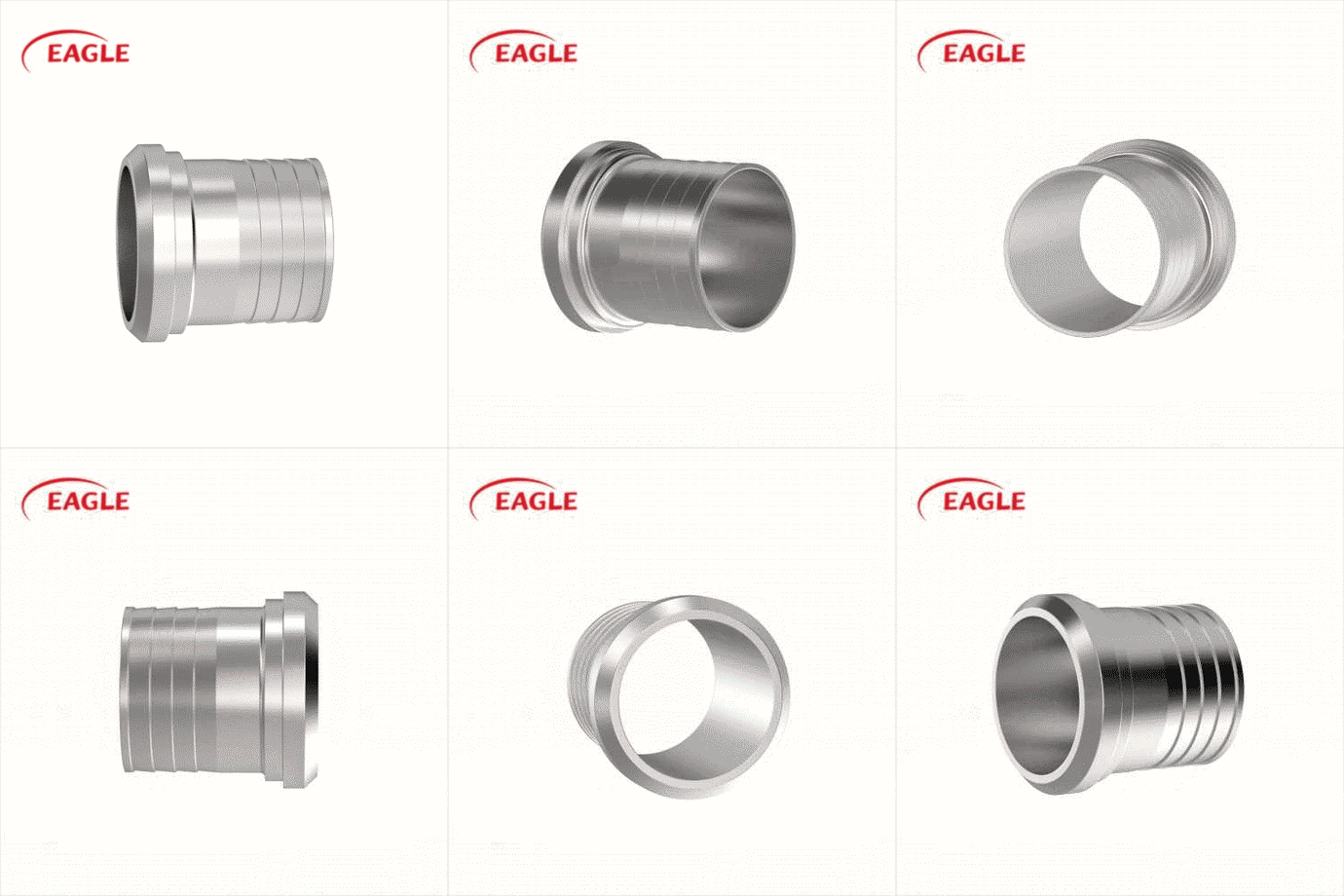
Adaptador de manguera de goma con asiento biselado liso de 4"
Muy poca disponibilidad (2 unidades)Desde $167.00Precio unitario /Agotado -
Adaptador de manguera de goma con asiento biselado liso de 2-1/2"
Muy poca disponibilidad (2 unidades)Desde $128.00Precio unitario /Agotado -
Adaptador de manguera de goma con asiento biselado liso de 2"
Muy poca disponibilidad (2 unidades)Desde $80.00Precio unitario /Agotado -
Adaptador de manguera de goma con asiento biselado liso de 1-1/2"
Muy poca disponibilidad (2 unidades)Desde $55.30Precio unitario /Agotado -
Adaptador de manguera de goma con asiento biselado liso de 1"
Muy poca disponibilidad (2 unidades)Desde $55.00Precio unitario /Agotado -
Adaptador de manguera de goma con asiento biselado liso de 3"
Muy poca disponibilidad (2 unidades)Desde $147.00Precio unitario /Agotado -
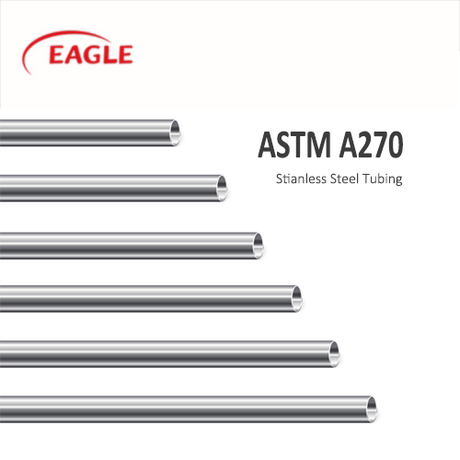
Tubería de acero inoxidable sanitario 304/316L de 2-1/2" de diámetro exterior
Desde $131.20Precio unitario /Agotado


